Author: Elias Joaquim
The 61st Venice Art Biennale takes place from May 9 to November 22, 2026. Who are the Afro-descendant artists in the spotlight? What did they bring? How did they translate the “minor keys” of acclaimed curator Koyo Kouoh?
Before any hasty conclusions, it should be noted that the 2026 Biennale was architected by a Black woman, born in Cameroon. The late Koyo Kouoh built, over recent decades, one of the most influential curatorial trajectories in contemporary African and diasporic artistic thought. As Executive Director of Zeitz MOCAA in Cape Town, Koyo not only fostered and expanded African presence in the international circuit, but also helped reshape the very ways of looking, exhibiting, listening, and organizing cultural sensibilities within contemporary art.
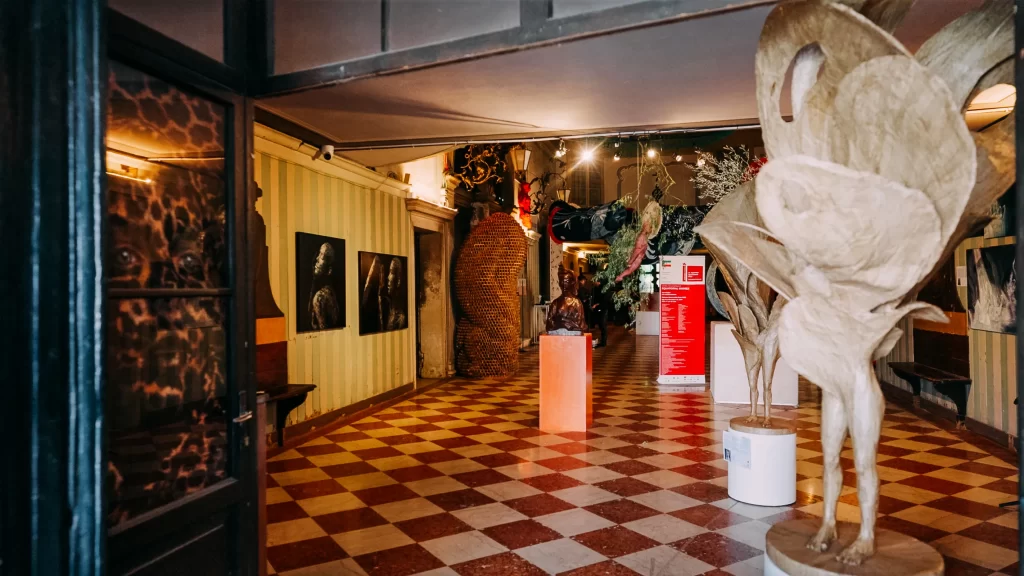
And perhaps that is precisely what makes this Biennale so singular, so special. This shift in tone that seems like an intimate desire to collectively create a sensibility tribe.
In a world saturated by speed, visual excess, hyperproduction of images, and curatorial monumentality, In Minor Keys emerges almost as a forced brake, an essay on the conscious deceleration of perception. Less spectacle. Less noise. Less excess of the future. More listening. More intimacy. More silence. More relationship between bodies, memory, and territory. And in the end, silence again.
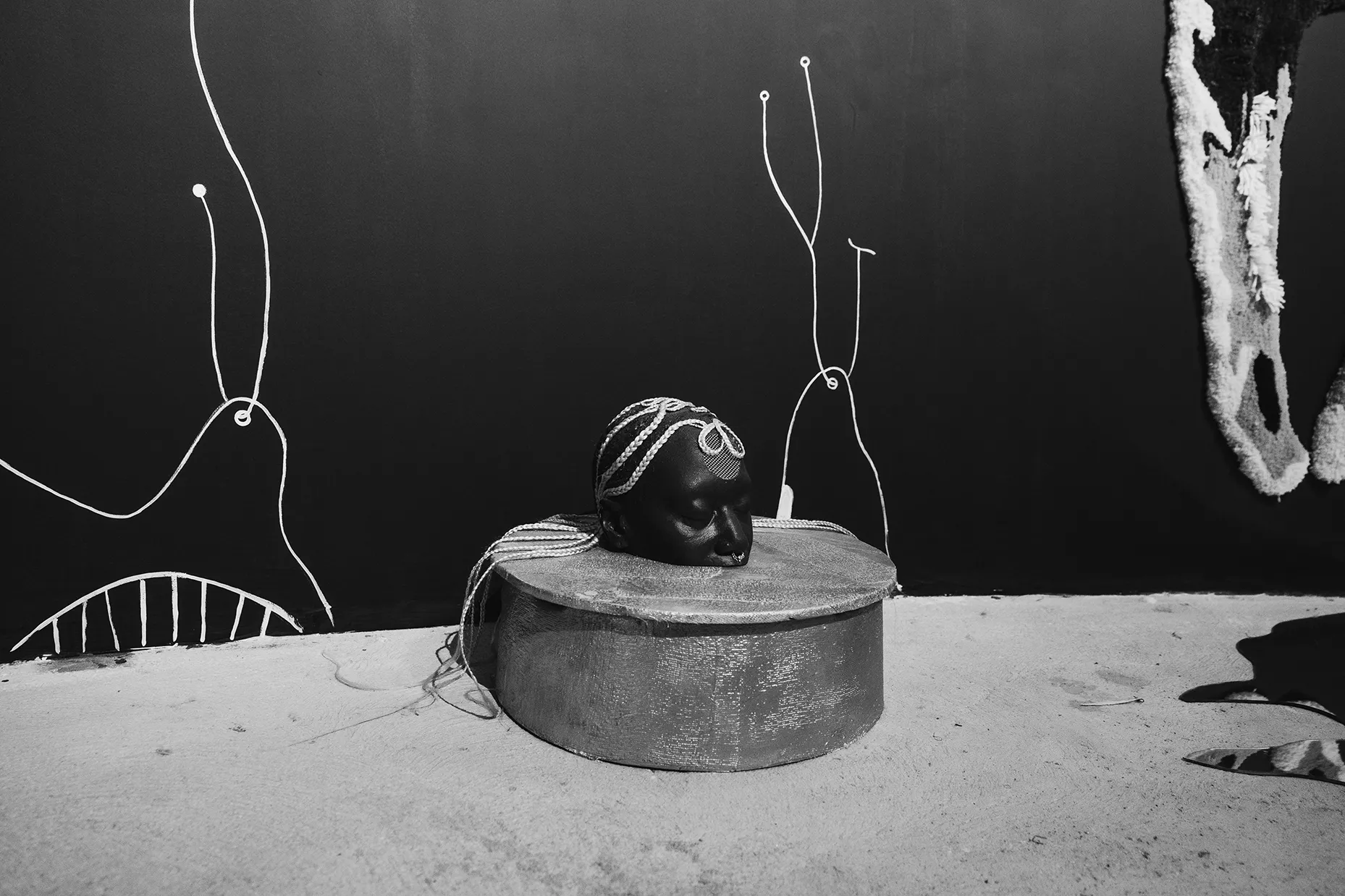
Did Koyo Kouoh attempt to translate the language of birds?
In Minor Keys does not seem to function as a curatorial title. But how do you truly translate the theme Koyo proposed, since it functions more as an emotional state, a kind of sensory enigma about the present, or a birdsong on a sunny or rainy day? It seems to function as a translation before the translation, as if, even before the artists began translating the world through their works, there had already existed a first great gesture of translation: that of Koyo herself, trying to name what the contemporary world feels, but which slips through her hands amid the chaos with which it has grown familiar.
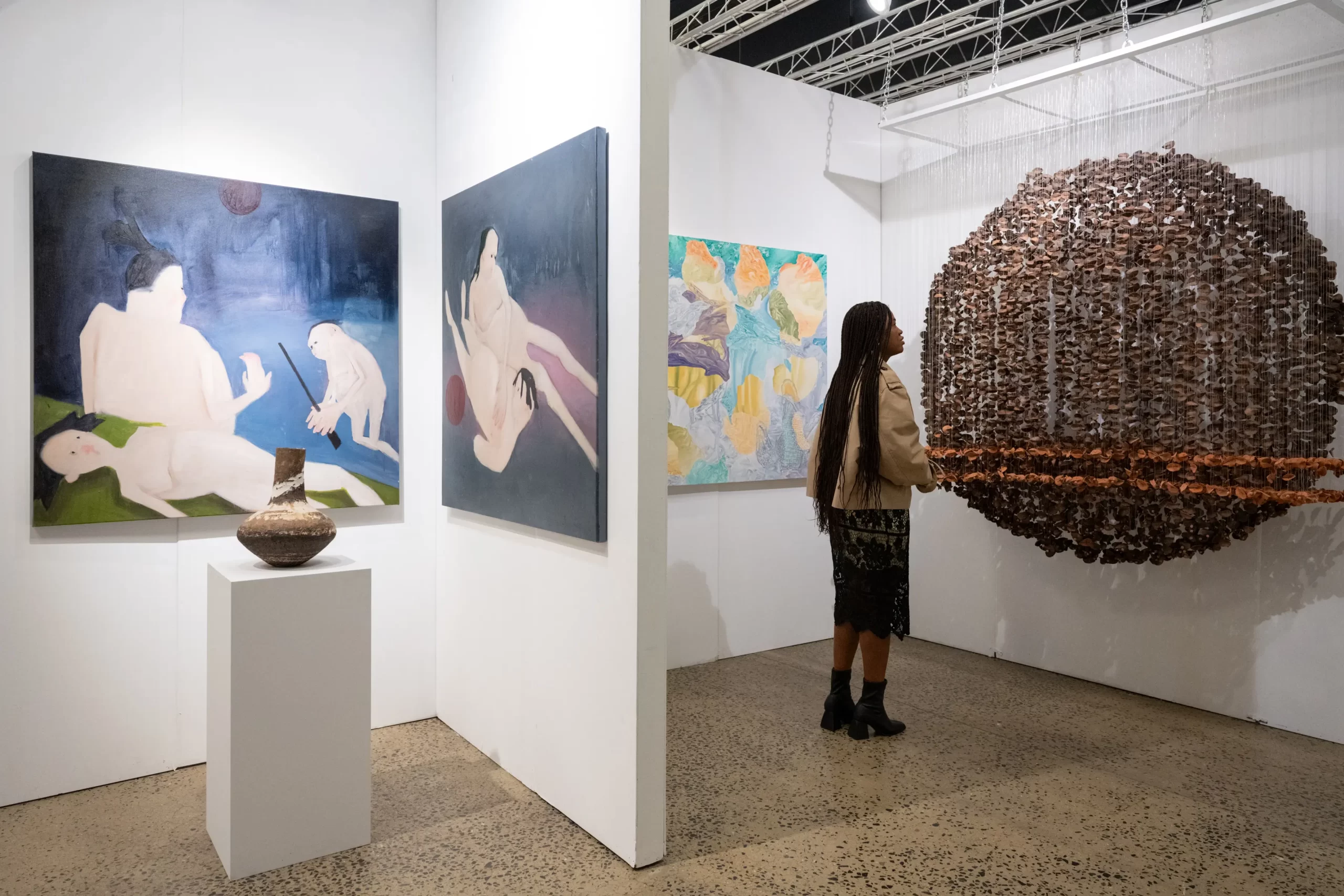
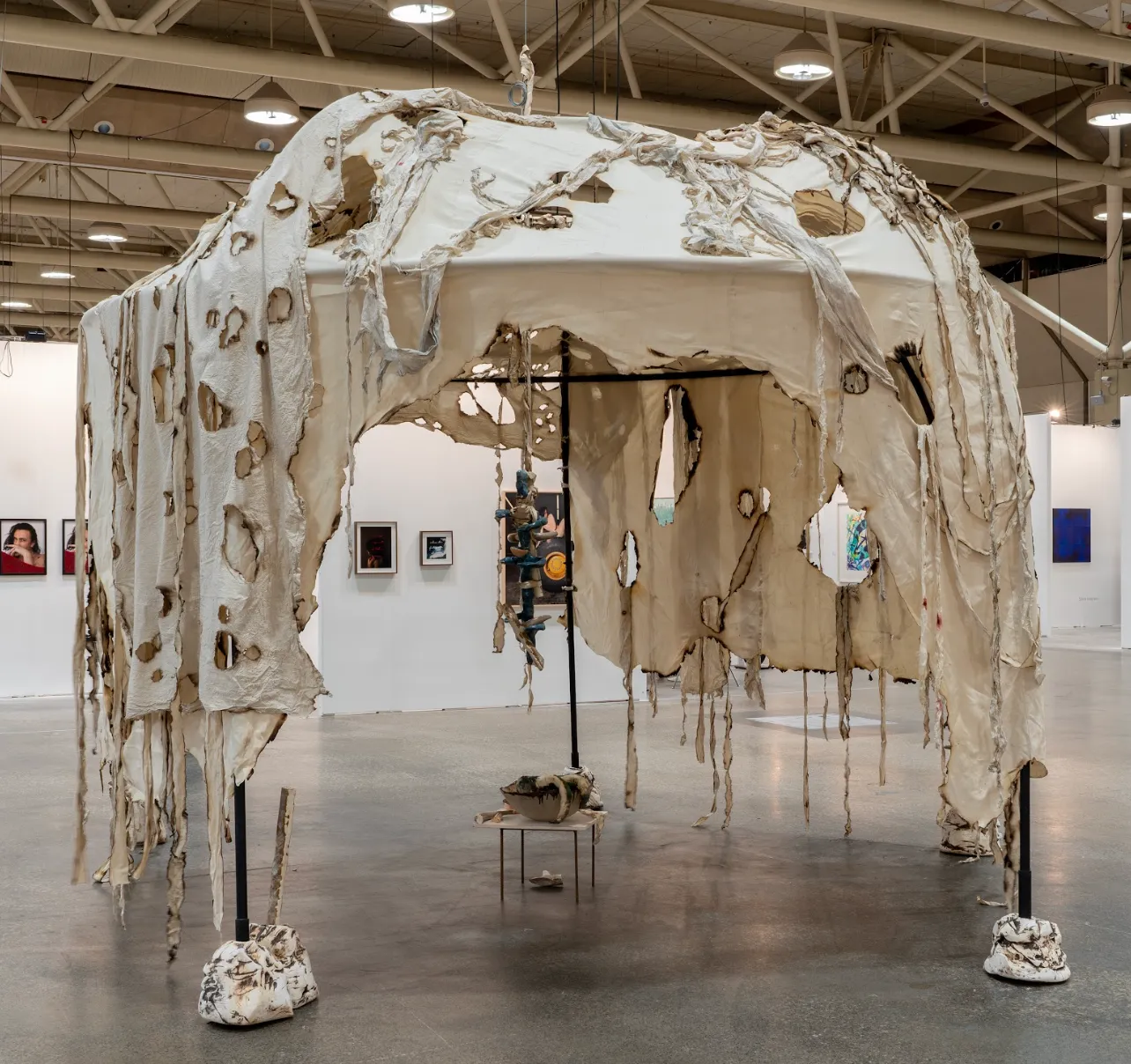
There is something profoundly African and simultaneously universal in this proposal. We venture to say that the African and Afro-diasporic presence in this edition is not merely present for the sake of it, nor merely as a geographical emblem, it occupies instead a conceptual center within the Biennale. Walking through the pavilions of Venice, one notices that many of the strongest works of this edition refuse the very logic of immediate impact.
Art saves us!
What do these Black artists communicate within the Biennale? Where do they want to go?
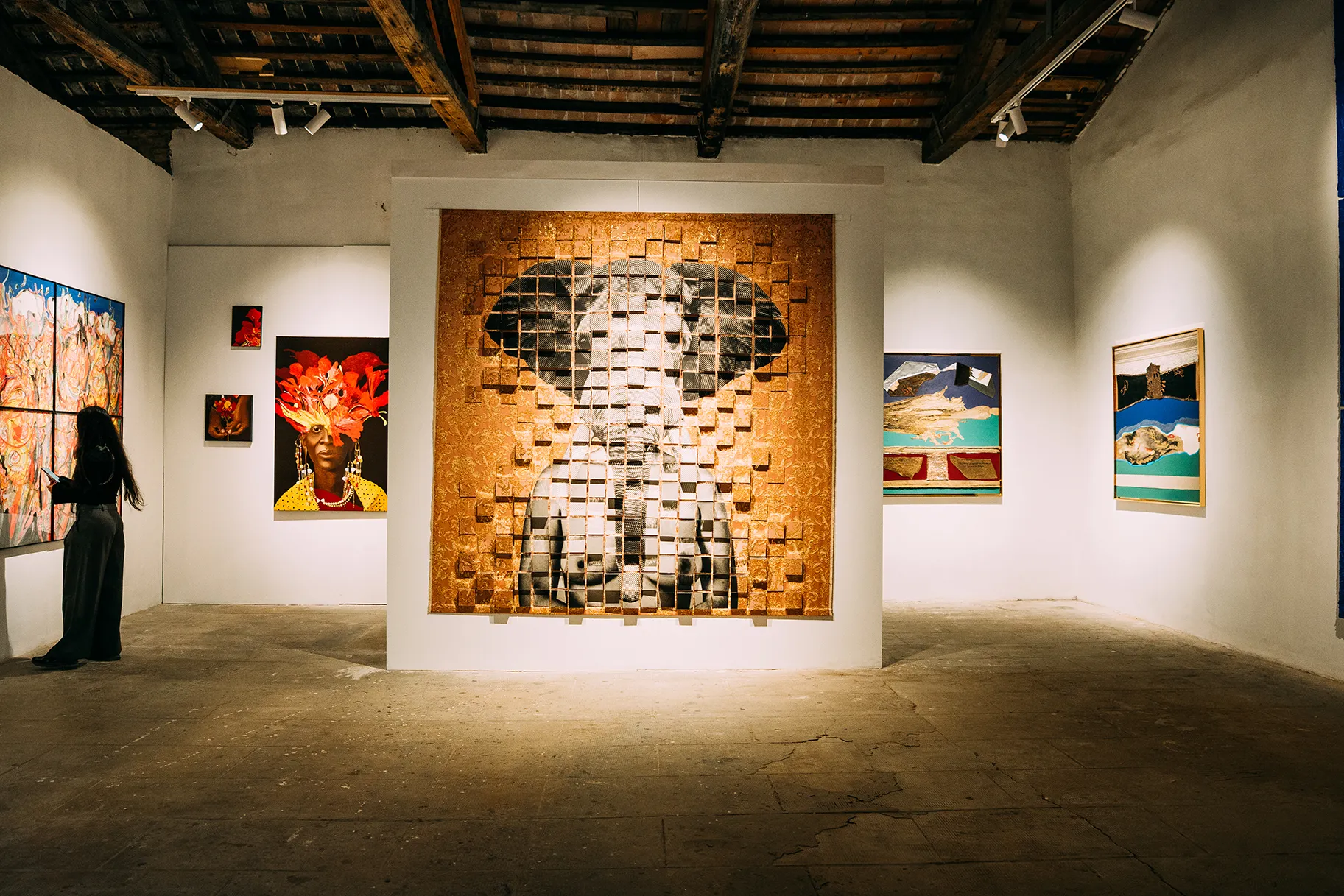
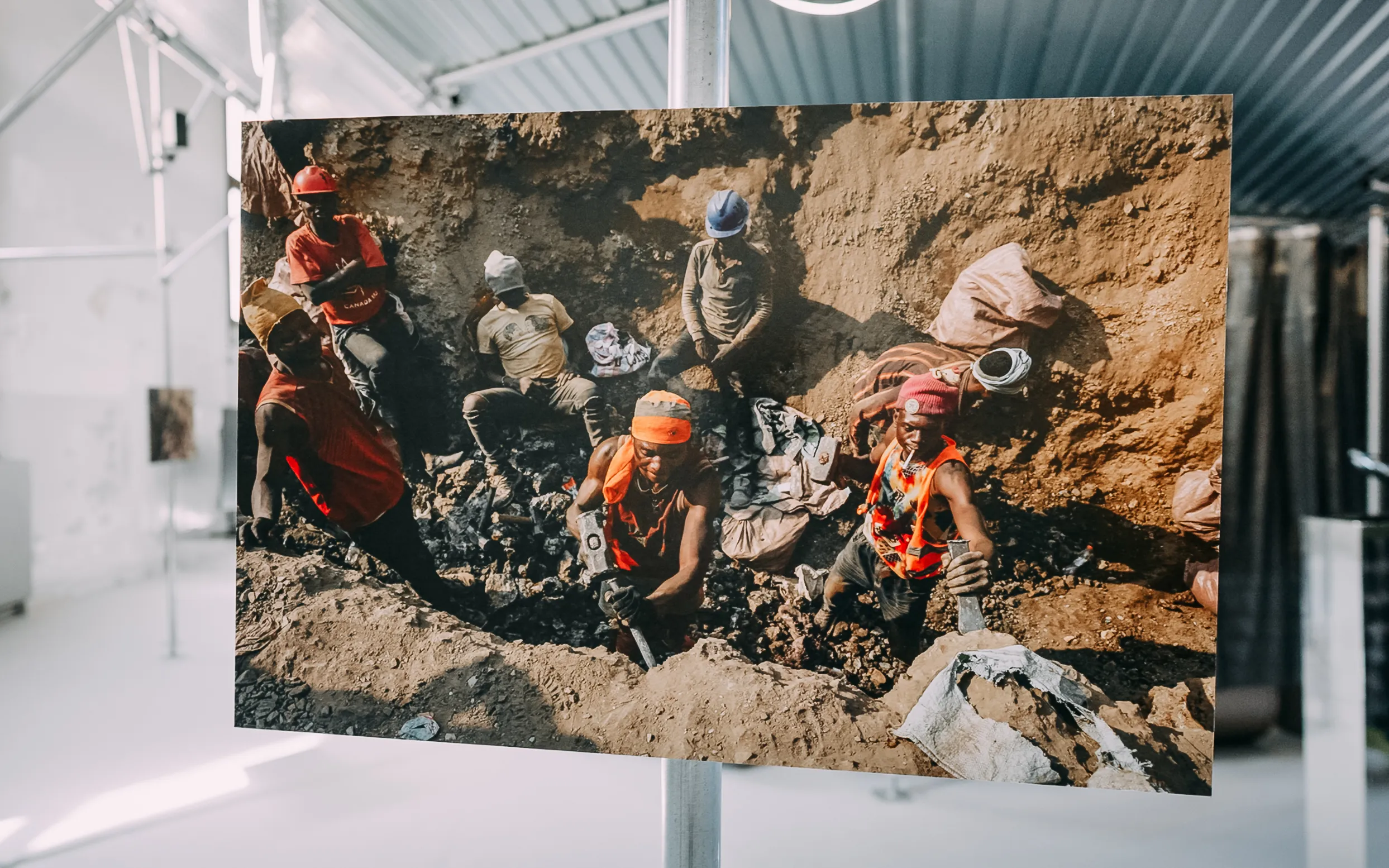
Artists like Otobong Nkanga, from Nigeria, and Sammy Baloji from the DRC, dialogue in many ways, they are members of that sensibility tribe. The works of both shout, are stained with sweat and blood, are sharp and corporeal, but viewed in reverse or from another perspective, they are the perfect illustration of minor keys, of touches from within, of waves in a gentle breeze that embrace us. As the saying goes, art saves us: it is political, but it does not make politics on its own.
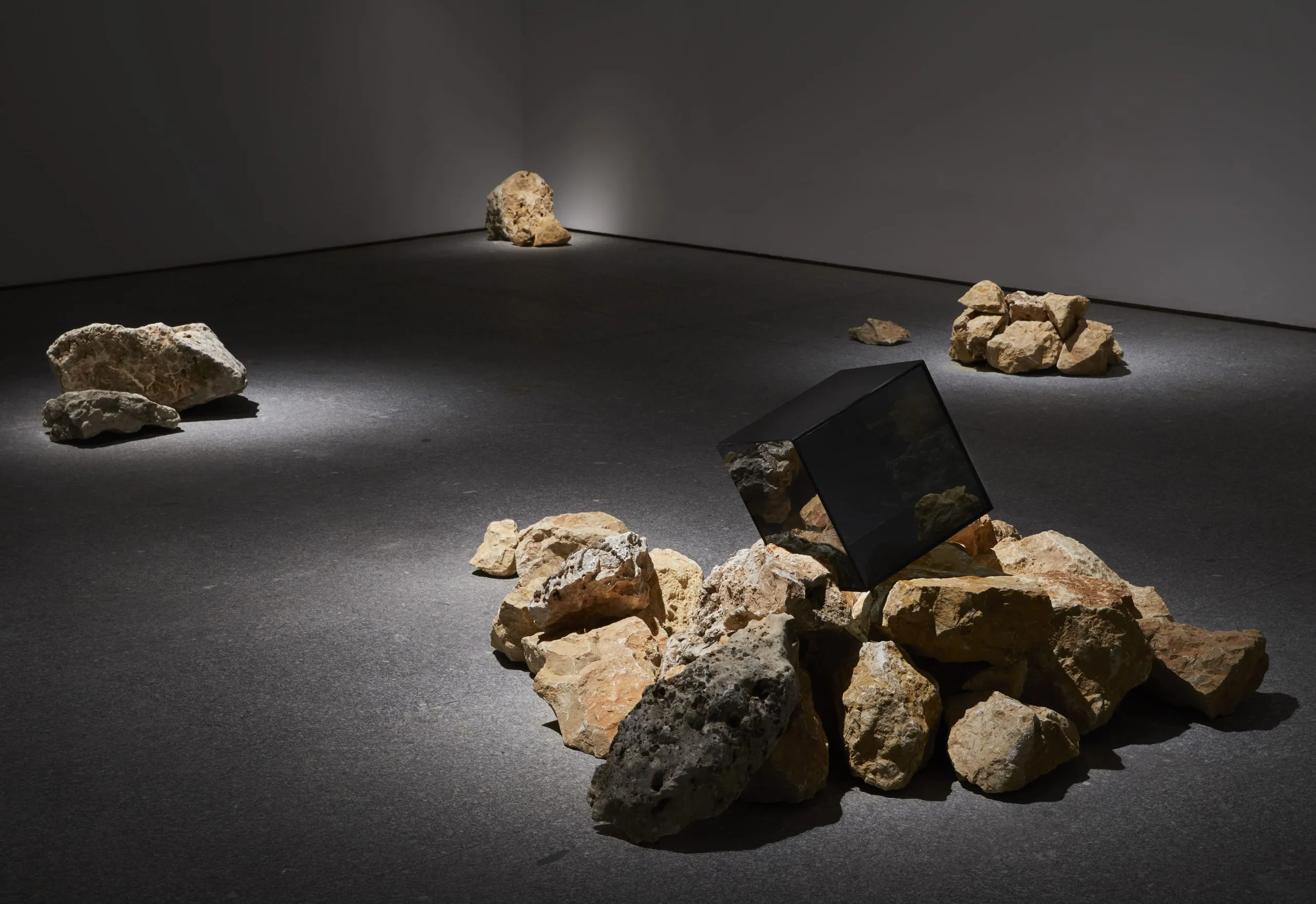
Both work on the relationship between land, mineral extraction, ecological violence, and colonial memory. They create works, through photography, visual arts, or performance, in which the African soil manages to rise beyond its beauty to challenge global capitalism. In their installations, the materials seem to carry subterranean wounds, as if the modern world had been built upon minerals forcibly torn from certain territories.
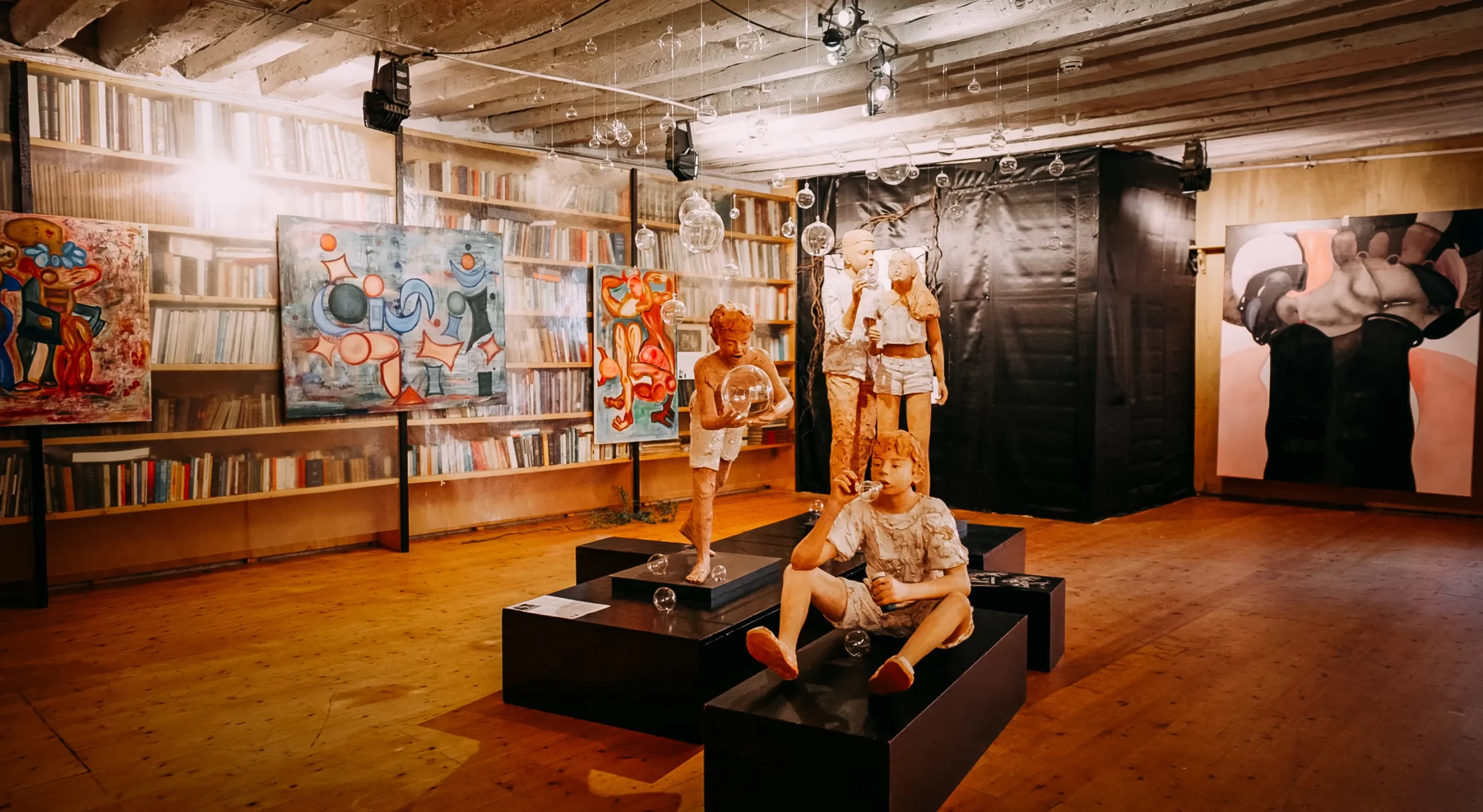
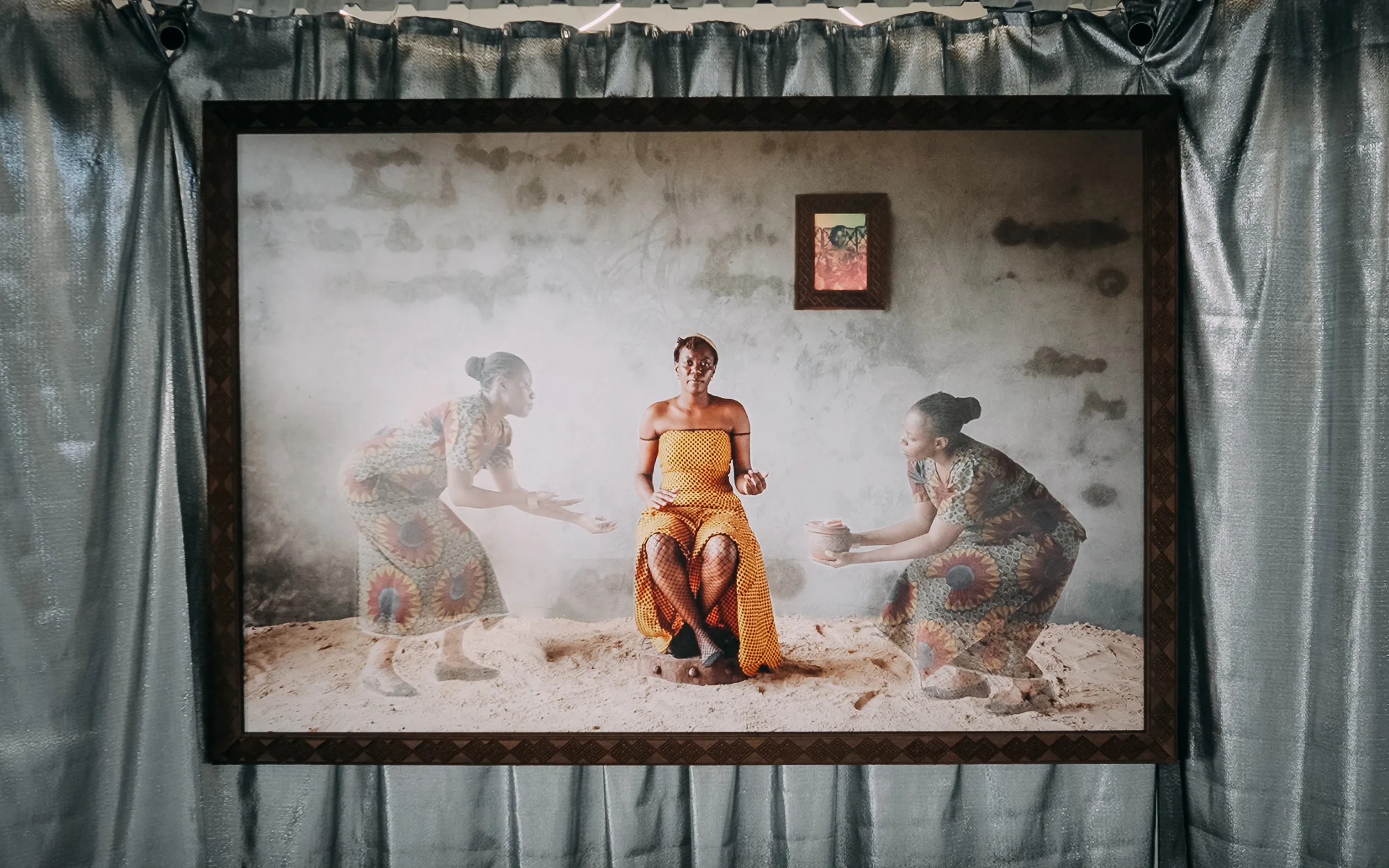
Beyond these, several other Afro-descendant artists stand out in this edition, such as Wangechi Mutu, born in Kenya, Billie Zangewa from Malawi and South Africa, Buhlebezwe Siwani from South Africa, and Kader Attia, born in France and deeply connected to Algeria.
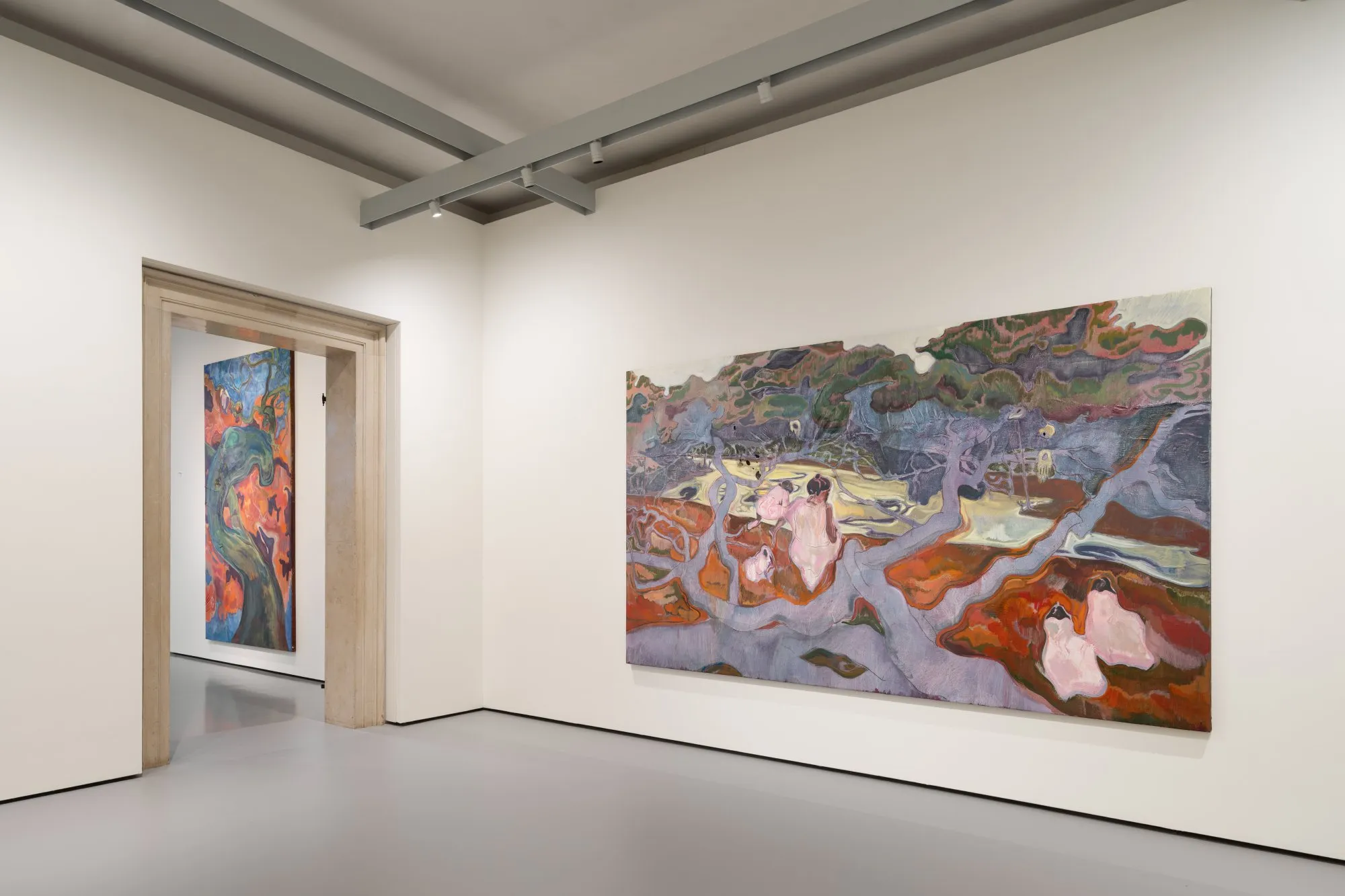
There is a kind of conceptual maternity in In Minor Keys, capable of generating life, creating tensions, raising doubts, bringing hope. And this prominent Black presence, though plural and quite diverse, manages to capture and even embody the essence of minor keys, as in the case of South African artist Helen Sabidi, who brings the sensibility of home, the roots and traditions inherited from her grandmother, to explore the traumas of Apartheid through beautiful paintings. Yes, art does save us, art always points to a path, even when it does not know it.
The mouth of the Global South
In the previous article we asked: if the artistic system has decentralized, what remains the center that legitimizes global art?
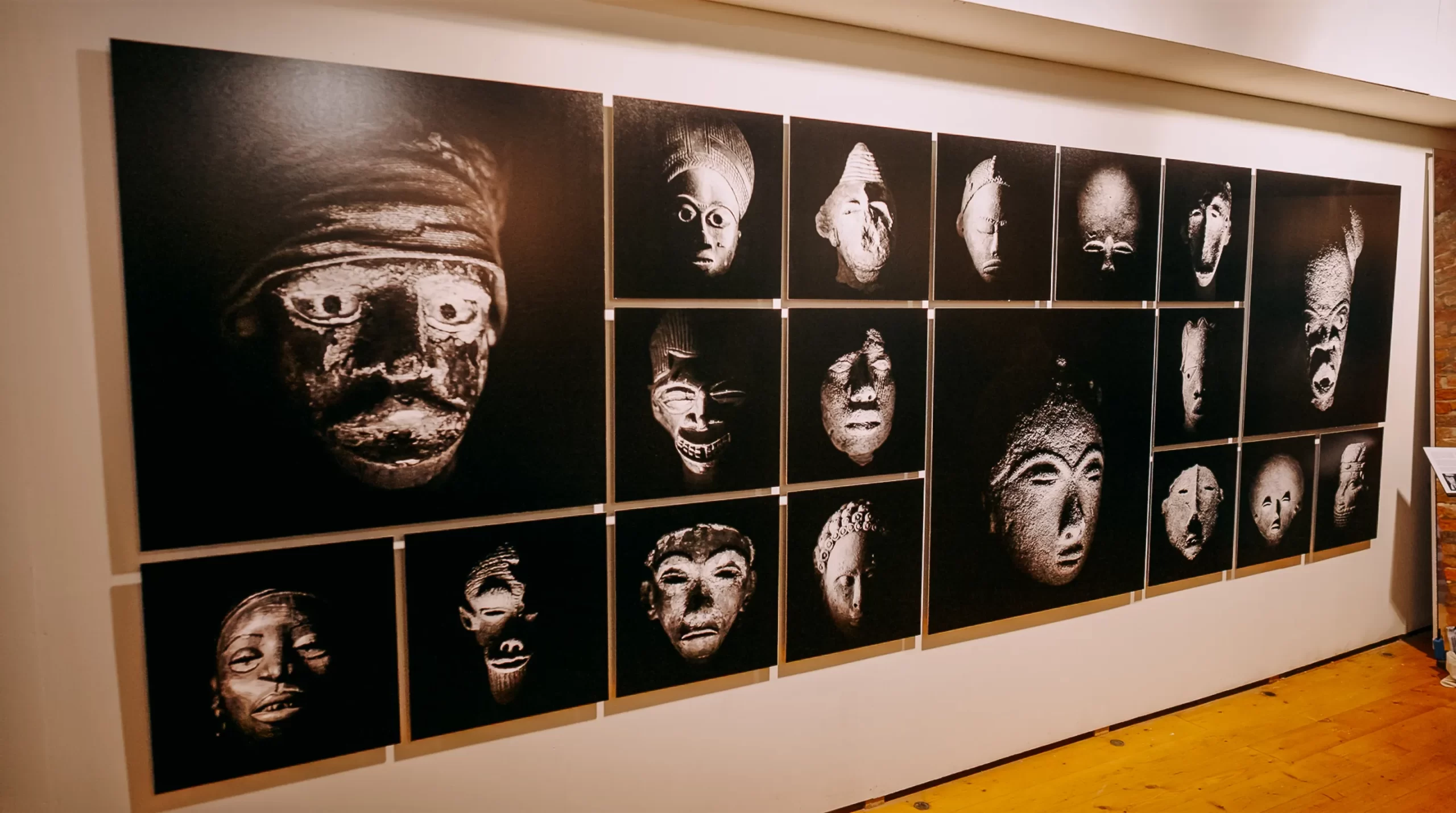
Perhaps Venice has partially answered that question. Or perhaps the Global South itself answered through its own mouth, saying that it was not merely a theme of contemporary art, it was the minor key itself, a producer of language, a producer of sensibility, and a producer of curatorial methods.
Because what is observed here is not a simple substitution of centers, as has already been said, but something more complex: a gradual displacement of the emotional frequencies of contemporary art. The dominant axis remains institutionally strong, but the imaginary, the questions, and much of the conceptual vitality seem today to be shifting increasingly toward geographies historically considered peripheral.
And that inevitably raises an uncomfortable question for the old center: What return paths are even possible now?
Images: Celestino Bastos and Eduardo Lima.
Autor: Elias Joaquim
A 61ª Bienal de Arte de Veneza acontece de 9 de maio a 22 de novembro de 2026. Quem são os artistas afrodescendentes em destaque? O que trouxeram? Como traduziram eles os “tons menores” da aclamada curadora Koyo Kouoh?
Antes de qualquer avanço precipitado, é preciso ressalvar que a Bienal de 2026 foi arquitetada por uma mulher negra, nascida nos Camarões. Koyo Kouoh construiu ao longo das últimas décadas uma das trajetórias curatoriais mais influentes do pensamento artístico contemporâneo africano e diaspórico. Como diretora executiva do Zeitz MOCAA, na Cidade do Cabo, Koyo, para além do fomento e da ampliação da presença africana no circuito internacional, ajudou a reformular os próprios modos de olhar, expor, escutar e organizar o sensível dentro da arte contemporânea.
E talvez seja precisamente isso que torna esta Bienal tão singular, tão especial. Esta mudança de tom que parece um desejo íntimo de criar em conjunto uma tribo da sensibilidade.
Num mundo saturado por velocidade, excesso visual, hiperprodução de imagens e monumentalidade curatorial, In Minor Keys surge quase como um travão forçado, um ensaio sobre desaceleração consciente da percepção. Menos espetáculo. Menos ruído. Menos excesso de futuro. Mais escuta. Mais intimidade. Mais silêncio. Mais relação entre corpos, memória e território. E no fim, silêncio outra vez.
Koyo Kouoh tentou traduzir a linguagem dos pássaros?
In Minor Keys não parece funcionar como título curatorial. Mas afinal, como traduzir verdadeiramente o tema que Koyo nos propõe, uma vez que funciona mais como um estado emocional, uma espécie de enigma sensorial sobre o presente, ou um canto de pássaros num dia de sol ou chuva? Parece que funciona como uma tradução antes da tradução, como se antes mesmo dos artistas começarem a traduzir o mundo através das suas obras, já tivesse existido um primeiro grande gesto de tradução: o da própria Koyo tentando nomear aquilo que o mundo contemporâneo sente, mas que lhe escapa das mãos em meio ao caos com o qual se familiarizou.
Há qualquer coisa de profundamente africano e simultaneamente universal nessa proposta. Arriscamo-nos a dizer que a presença africana e afro-diaspórica nesta edição não está apenas por estar, nem está apenas como um emblema geográfico, ocupa antes um centro conceptual dentro da Bienal. Ao atravessar os pavilhões de Veneza, percebe-se que muitas das obras mais fortes desta edição recusam a própria lógica do impacto imediato.
A arte nos salva!
O que comunicam esses artistas negros dentro da Bienal? Aonde querem chegar?
Artistas como Otobong Nkanga, da Nigéria, e Sammy Baloji da RDC, dialogam em muitos aspetos, são os tais membros daquela tribo da sensibilidade. As obras de ambos gritam, estão manchadas de suor e sangue, são ácidas, corpulentas, mas se vistas ao contrário ou sob outra perspectiva, são a perfeita ilustração dos tons menores, dos toques de dentro, das ondas em brando sopro que nos abraçam. Como se costuma dizer, a arte nos salva: é política, mas ela não faz política por si só.
Os dois trabalham a relação entre terra, extração mineral, violência ecológica e memória colonial. Criam obras, por meio da fotografia, artes visuais ou da performance, em que o solo africano se consegue erguer para além das suas beldades, para pôr em xeque o capitalismo global. Nas suas instalações, os materiais parecem carregar feridas subterrâneas, como se o mundo moderno tivesse sido construído sobre minerais arrancados à força de determinados territórios.
Além destes, outros vários artistas afrodescendentes destacam-se nesta edição, como Wangechi Mutu, nascida no Quénia, Billie Zangewa do Malawi e África do Sul, Já Buhlebezwe Siwani, da África do Sul e Kader Attia, nascido em França e profundamente ligado à Argélia.
Há uma espécie de maternidade conceptual em In Minor Keys, capaz de gerar vida, criar tensões, fazer dúvidas, trazer esperança. E essa presença negra em destaque, apesar de plural e bastante diversa, consegue captar e até capturar o essencial e a essência dos tons menores, como no caso da artista sul africana Helen Sabidi, que traz a sensibilidade de casa, as raízes e as tradições herdadas da sua avó para explorar os traumas do Apartheid com quadros belíssimos. A arte nos salva sim, a arte aponta sempre um caminho, mesmo que não saiba.
A boca do Sul-global
No artigo anterior perguntávamos: se o sistema artístico se descentralizou, qual continua a ser o centro que legitima a arte global?
Talvez Veneza tenha respondido parcialmente à questão. Ou talvez o próprio Sul Global tenha respondido pela própria boca dizendo que não era apenas um tema da arte contemporânea, era o tom menor por si só, produtor de linguagem, produtor de sensibilidade e produtor de método curatorial.
Porque o que se observa aqui não é uma substituição simples de centros, como já se disse, mas algo mais complexo: uma deslocação gradual das frequências emocionais da arte contemporânea. O eixo dominante permanece institucionalmente forte, mas o imaginário, as perguntas e parte da vitalidade conceptual parecem hoje deslocar-se cada vez mais para geografias historicamente consideradas periféricas.
E isso produz inevitavelmente uma pergunta desconfortável para o velho centro: Que caminhos de volta são possíveis agora?
Imagens: Celestino Bastos e Eduardo Lima.