Art Comes First The Sartorial Spirit of Punk Tailors
The Sartorial Spirit of Punk Tailors explores the tension between tradition and rebellion through the lens of African craftsmanship and British tailoring history. Art Comes First pays tribute to their fathers, upbringing, and the rituals of discipline passed down through generations channelled into what they call “Punk Tailoring”: a philosophy of precision and defiance, where garments are built with care, then deconstructed to be rebuilt. From Savile Row’s legacy to the streets of the diaspora, the project honours timeless technique while breaking the mold of conventional dress. The installation will unfold across multiple rooms, each designed to immerse viewers in a different dimension of the theme.
A limited collaborative capsule with 1-54 will accompany the presentation, featuring wearable pieces that reflect the narrative.
Craftsmanship is our foundation but punk is our posture.
ęmí: freedomsong by Rohan Ayinde and Tayo Rapoport, curated by Zarina Rossheart
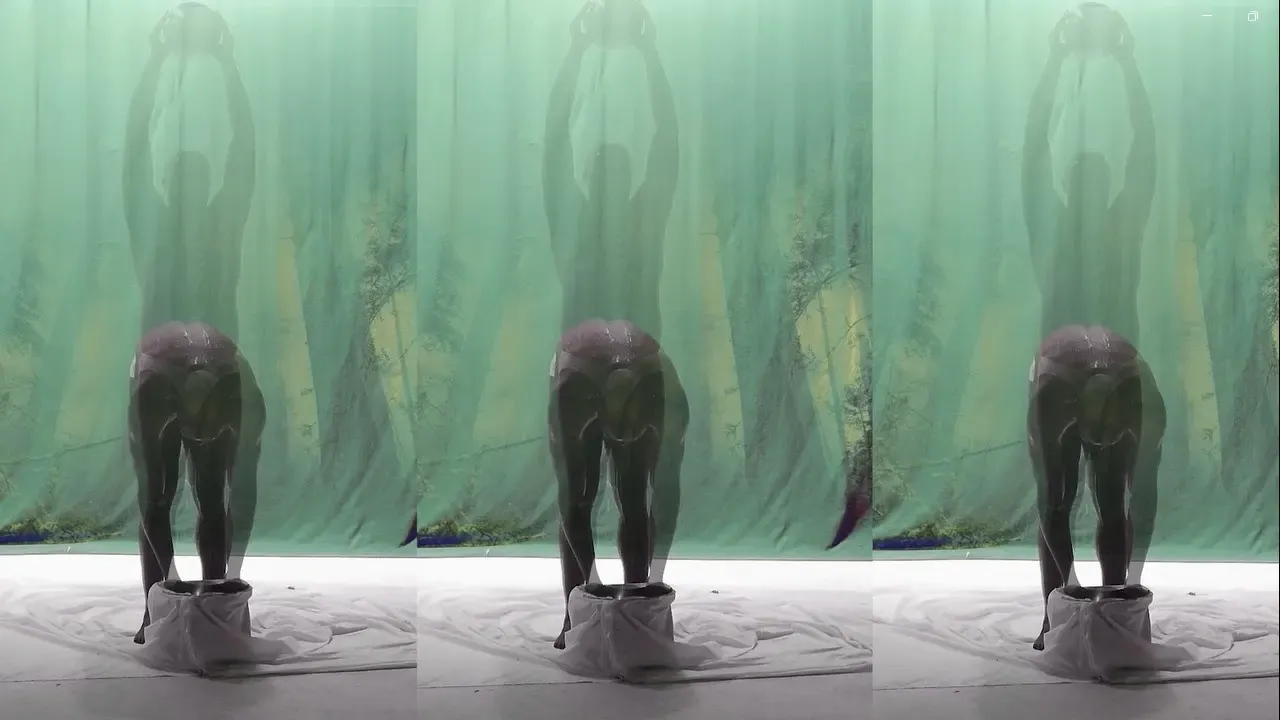
ęmí: freedomsong is an audio-visual installation inspired by bell hooks’ All About Love and Camille Sapara Barton’s Tending Grief. At its heart is a ritual led by Barton and singer-songwriter anaiis, in which six vocalists – anaiis, Tawiah, Douniah, Bint Mbareh, Amina Gichinga, and Roxanne Tataei – were invited to release grief and transform it into love through song. Their voices form the sonic foundation of the film: a freedom song rising in defiance of silencing amid the genocide in Gaza and other ongoing dispossessions.
In dialogue with these songs, artists Asmaa Jama, Alberta Whittle, Jasleen Kaur, Eve Stainton, and Helen Cammock reflect on censorship, erasure, and the urgency of centering an ethic of love. Rooted in the history of revolutionary song, ęmí: freedomsong alchemizes grief into a shared language of love, protest, and possibility.
ęmí: freedomsong is commissioned by BUILDHOLLYWOOD and produced in partnership with Art Practice. Presentation at 1-54 is with support of Blanc Gallery.
Everyday Lusaka Gallery The Inherited Counter-Archive
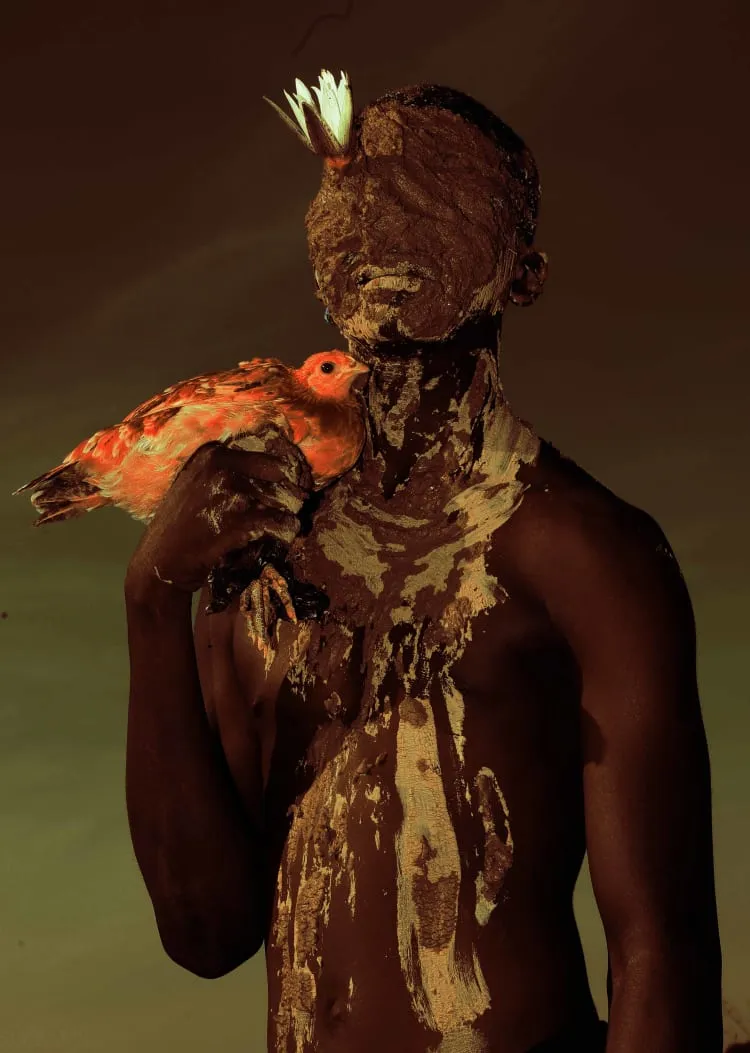
The Inherited Counter-Archive is a conceptual photo-studio and installation by Everyday Lusaka Gallery (Zambia), curated by Sana Ginwalla and featuring work by veteran photographer Alick Phiri. Presented at 1-54 London, the project reimagines Lusaka’s Fine Art Studios—Zambia’s first photographic studio for Black clients, founded in the 1950s by Indian-Gujarati photographer Prabhubhai Vilas.
Drawing from archives preserved and digitised by Ginwalla, the exhibition presents Phiri’s intimate street portraits alongside screenprints and historic photographs exploring identity, memory, and the Indian-Zambian diasporic legacy. The installation interrogates colonial visual regimes and constructs a counter-archive rooted in everyday life and postcolonial resistance. Based in downtown Lusaka, Everyday Lusaka is a photography platform and gallery founded in 2018 to challenge reductive portrayals of Zambia in media.
It has exhibited internationally, foregrounding vernacular image-making and fostering visual sovereignty.
At 1-54, the gallery transforms history into a living archive of belonging, offering new ways of seeing Lusaka and its layered identities.
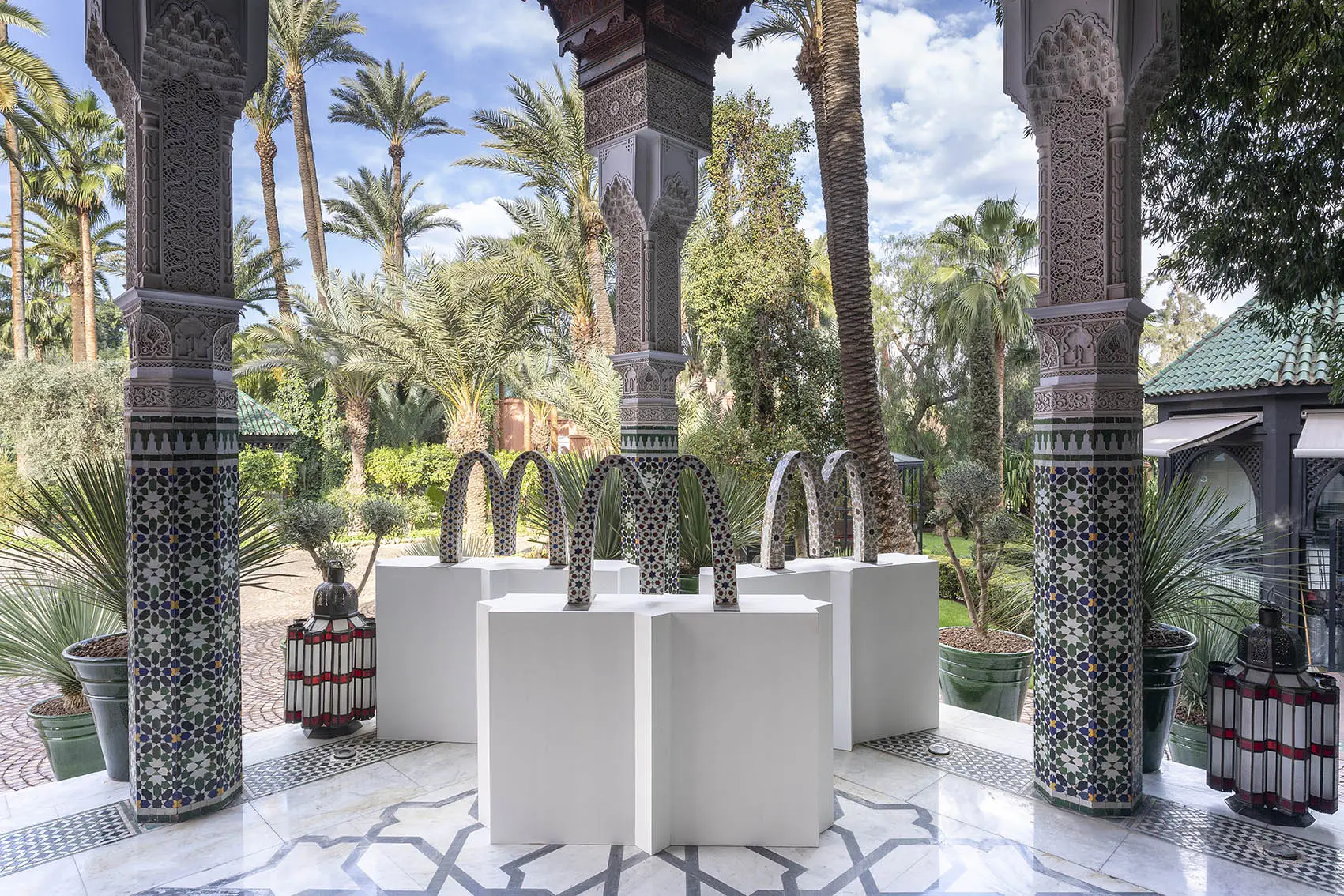
Monçao In collaboration with the India Art Fair Young Collectors Programme Curated by Strangers House Gallery
Monção is a collaborative artistic trans-geographical initiative established by Hamedine Kane and Mukhtar Kazi in Dakar in 2024. In 2025 they were joined by Boris Raux and Bhushan Bhombale in Sao Paulo in a material investigation of a socio-political aesthetic proposition, using the debris of abandoned boats, ship sails, indigo, industrial enamel paint, and Quranic verses to make art. The history of human displacement is pictured in unidentifiable forms of painting and sculpture that often mimic the ocean, one’s home, a map, and the ship.
Supported through a dialogue between the India Art Fair Young Collectors’ Programme and 1-54, the project, curated by Strangers House Gallery, proposes to revisit the cosmopolitanism, syncretic exchange of knowledge and arts in the Bazaars of ports, caravanserais, and cities along the Silk Route, the Indian Ocean Trade, the Desert trade of the Sahara, as well as the subsequent culmination in the establishment of Trans-Atlantic societies. An art fair is a marketplace for the exchange of art but also of connections between people of faraway lands, ideas of artists resisting violent histories of colonisations, and a place to initiate an avant-garde perception of materiality and aesthetic.
Strangers House Gallery was the ‘Gallery in Focus’ for India Art Fair’s Young Collectors Programme 2025
Nando’s & Spier Arts Trust
Supporting contemporary Southern African artists through Nando’s partnership with Spier Arts Trust has created both career development opportunities as well as the curation of this extensive collection. Spier Arts Trust, based in Cape Town, South Africa facilitates collaborative work between fine artists and artisans from economic empowerment projects that are rooted in artistic excellence and human development.
For the artists, having the time to focus full-time on their artistic careers with the potential to earn a regular income makes a difference in their lives. For Nando’s, it’s about supporting these artists while growing their contemporary Southern African art collection. The growing collection features more than 30,000 pieces in their restaurants around the world.
For this edition of 1-54 London 2025, Nando’s is presenting work by three South African artists: Anastasia Pather, Boyce Magandela and Quincy Mbuso Hlongwa (co-creating with Qaqambile Bead Studio).
PICHA/Biennale de Lubumbashi
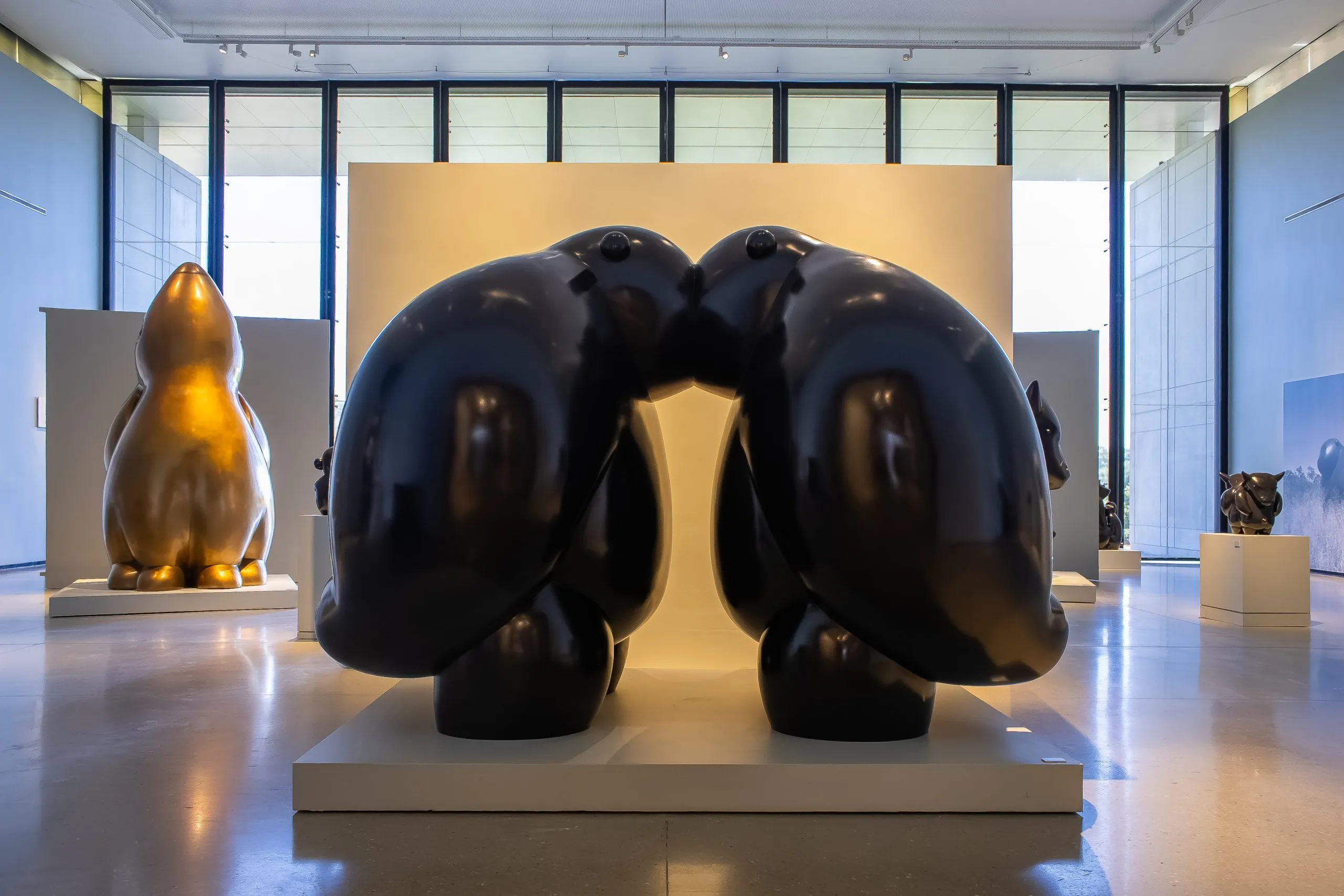
The PICHA association, and its extended collective, has been a dedicated and vibrant platform for the promotion of contemporary and meaningful art practices for more than 15 years. Through the Lubumbashi Biennial and the Atelier PICHA, this originally artists-led initiative has cemented a strong international network, always taking as a critical departing point the realities of the Katanga and broader region. PICHA, which stands for ‘picture’ in Swahili, has supported and facilitated numerous co-creative projects, art productions and cultural exchanges. It also acts as an incubator for young and emerging artists.
As an insight into the prodigious and generous minds of the founders and makers that make up the PICHA collective, and as a testimony of the association’s commitment to the promotion of Congolese talents in the field of contemporary visual and performative art, we are proud to present the work of Jean Katambayi Mukendi and Nkembo Moswala. The subject matter, the technical achievements and the vision that run through their respective practice tell a story of dedication, globalism and transformation that is at the heart of our concerns.
Seed Archives Form, Feeling
Seed Archives is a space that celebrates traditional African and Caribbean art, design, and culture through a curated collection of objects and books. By reimagining conventional archives, Seed transforms how people engage with cultural heritage, offering free educational resources, while encouraging collective learning that reconnects the diaspora with lost historical narratives and identities.
Form, Feeling is the first of a series of installations that explore how we learn, not just through sight and our minds, but through touch. It questions the distance between observer and object, challenging the restrictive boundaries of traditional learning spaces.
Drawing inspiration from social rituals witnessed across The Gambia, Senegal, and Mali, the installation will transform the space into an intimate gathering ground, recreating the natural foundation where West African communities gather to share stories and commune.
Source: 1-54 London