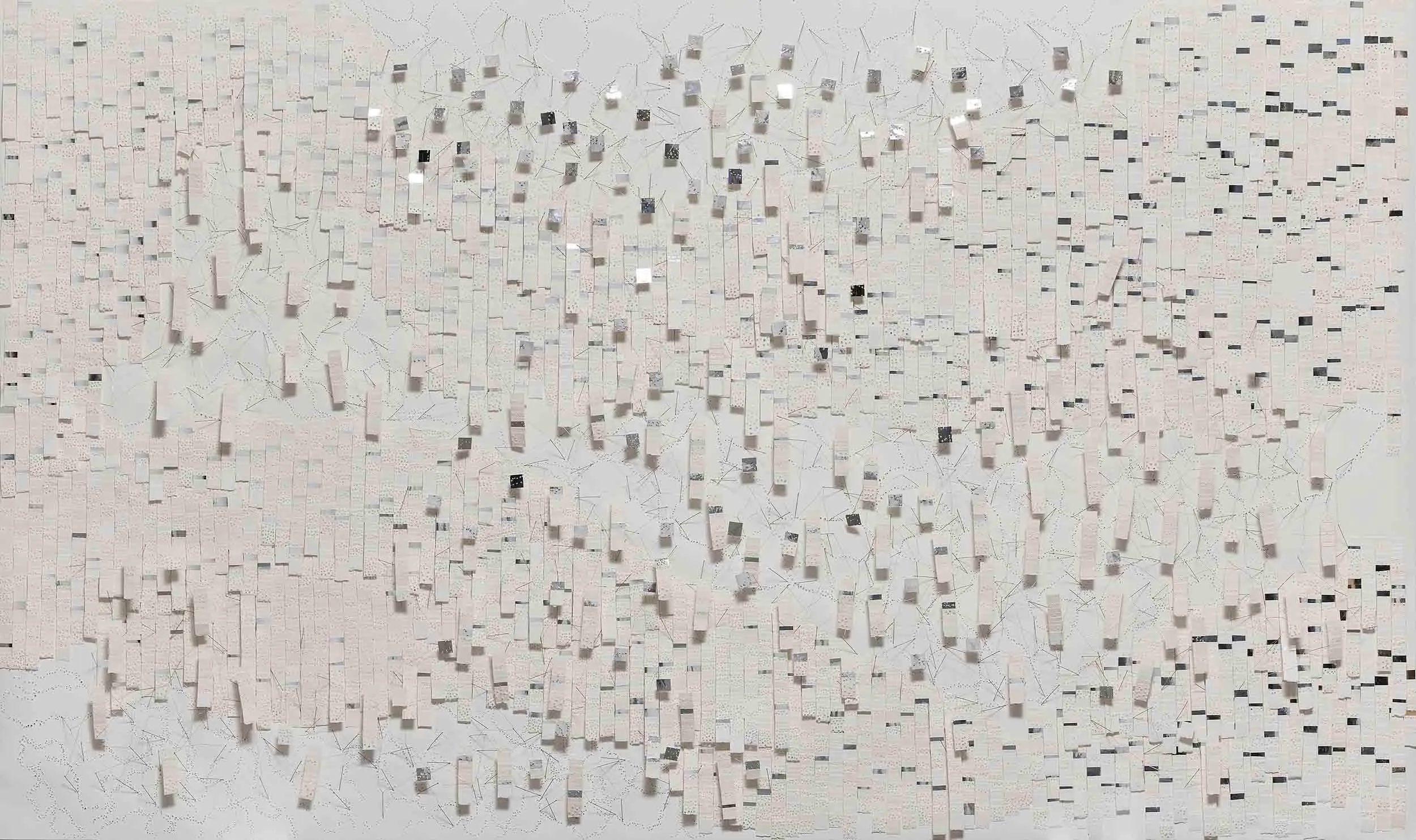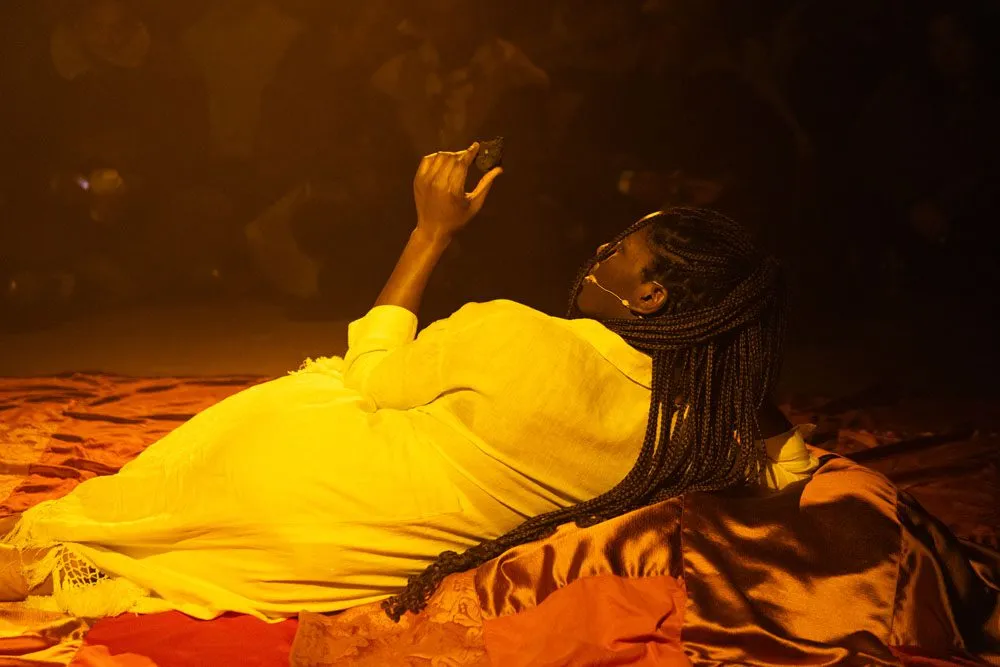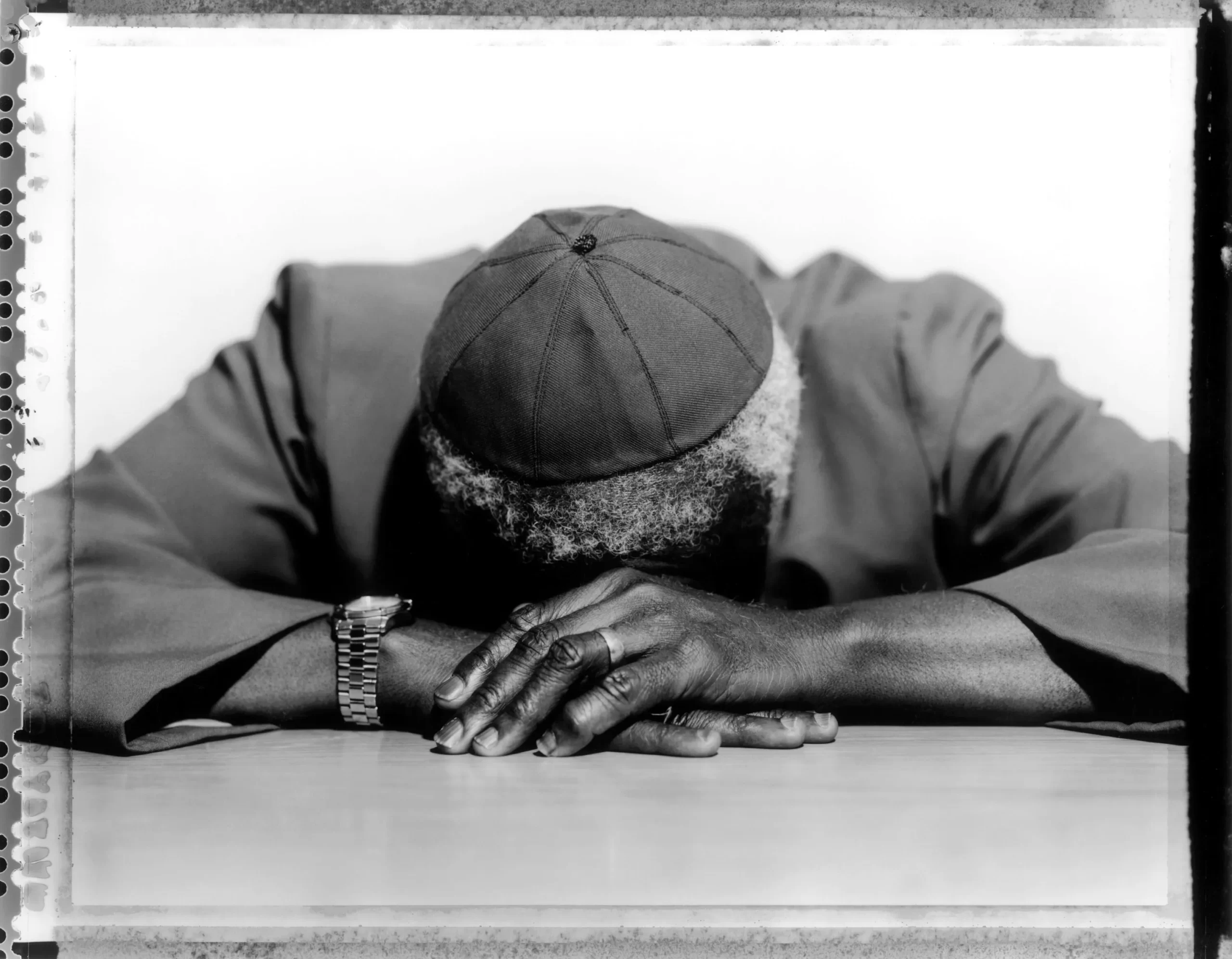
For ARCOmadrid 2026, Almeida & Dale presents articulations across different times, geographies, and visual languages surrounding memory. Bringing together 26 artists, the exhibition explores the archaeological potential of images as traces of past worlds, which materialize through evocation, the subconscious, traditional and personal narratives, and the symbolic charge of materials and forms.
Drawing on the symbolic power of natural pigments created from the soil and ancient organic and mineral remains, Marlene Almeida brings forth the colors of Brazil’s geological formations, combining field research with artistic mastery. Also interested in unique materials, Tunga created intricate works informed by investigations into science, alchemy, and ancestral rites. With a well- known interest in pre-Columbian and Egyptian artifacts, Liuba Wolf’s bronze creatures embody dreamlike, abstracted representations. Taking a more formal approach, Túlio Pinto investigates the physical and visual possibilities of glass, marble, and steel, exploring the coexistence of rigidity and fragility, balance and collapse.
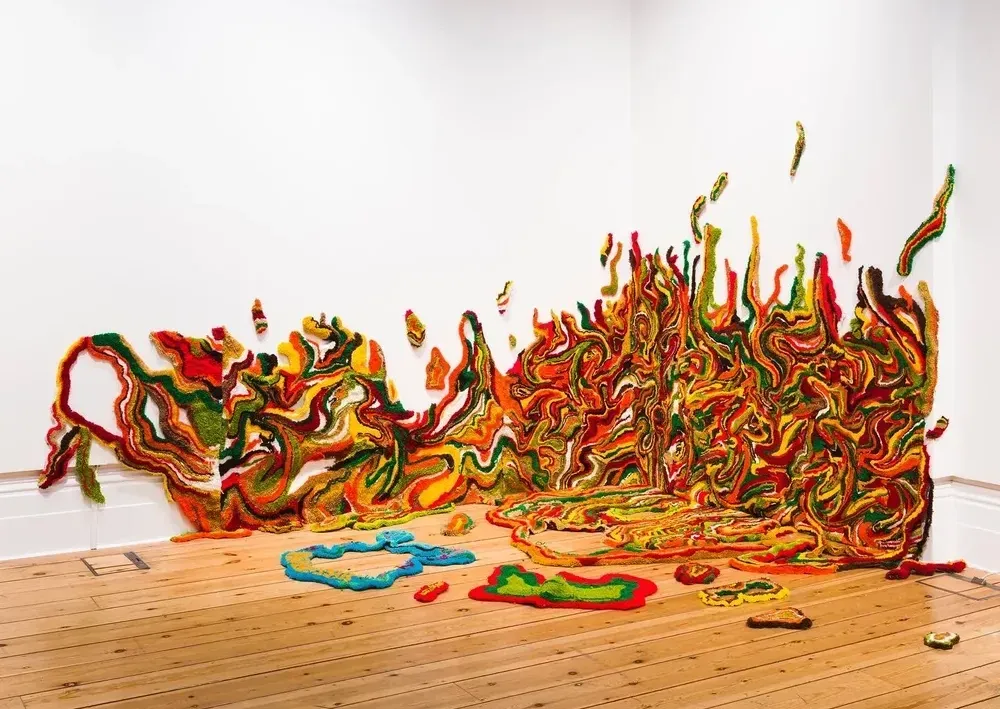
In the works of José Leonilson and Sara Ramo, material juxtapositions take on a dimension of personal experience, conveying intimacy through a delicate formal language. Rebeca Carapiá examines language, body, and territory through welded and twisted copper and iron structures. Also merging bodily symbolism with reminiscence, Lidia Lisbôa presents an expansive crochet structure—one of the focal points of her oeuvre, where traditional craft becomes monumental gesture.
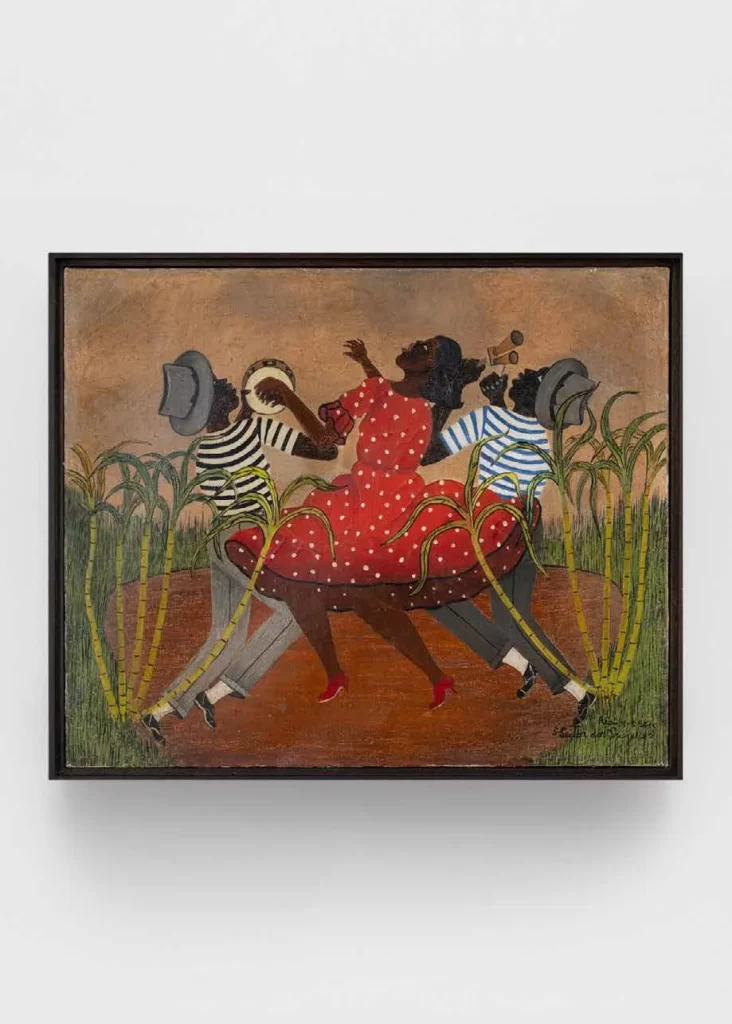
Beyond material and intimate concerns, political dimensions of lived experience form another key aspect of the exhibition’s engagement with everyday life and memory. These themes are prominent in the works of Hélio Melo, Dalton Paula, Heitor dos Prazeres, and Jaider Esbell, who foreground subjectivities and experiences systematically marginalized by hegemonic historiography. These include Amazonian rural workers and land conflicts; descriptive or imaginary experiences of Black inhabitants of Brazilian cities; Indigenous peoples and their cosmologies. Delving into Afro-Brazilian religious cosmologies, in turn, Rubem Valentim transcended a formalist approach to religious imagery, maintaining a strong connection to its origins and reinforcing the meanings associated with Orixá symbols.
Through a geopolitical approach to objects, Michael Rakowitz reconstructs Iraqi artifacts and monuments that were looted by colonialism or destroyed by extremist groups, allowing their return as phantoms within Western institutions. In a similar vein, Carlos Garaicoa’s framing of his native Havana and its ruins reflects a melancholic passage of time, manifested in the crumbling façades of Cuba’s urban landscapes. In his representation of social dynamics, Maxwell Alexandre constructs striking visual narratives through strategies of quotation, appropriation, and symbolic association drawn from a broad historical, artistic, and cultural repertoire.
Artists from the second half of the twentieth century, Eleonore Koch, Amadeo Lorenzato, and Chen-Kong Fang also engage in an intimate dialogue with art history through support, subject matter, and references. The tradition of preparing one’s own paints, close observation of landscapes and interiors, and high technical mastery are among the points of contact between these artists and the classical canon of art. Creating a direct channel between the present and historical painting, Paulo Pasta, Ana Elisa Egreja, David Almeida, Rodrigo Andrade, and Mariana Palma update the synthesis between repertoire and personal particularity within a broad context of iconography, chromatic research, and material experimentation.
Lastly, an unexpected dialogue emerges between artists with deep mastery of other modes of expression. Vivian Caccuri articulates objects and installations through sound-based practices, while Montez Magno moves freely between visual art, poetry, and music. Together with the other artists in the exhibition, they demonstrate how engagements with memory and temporality extend beyond the visual into multisensory and interdisciplinary territories.
Source: Almeida & Dale