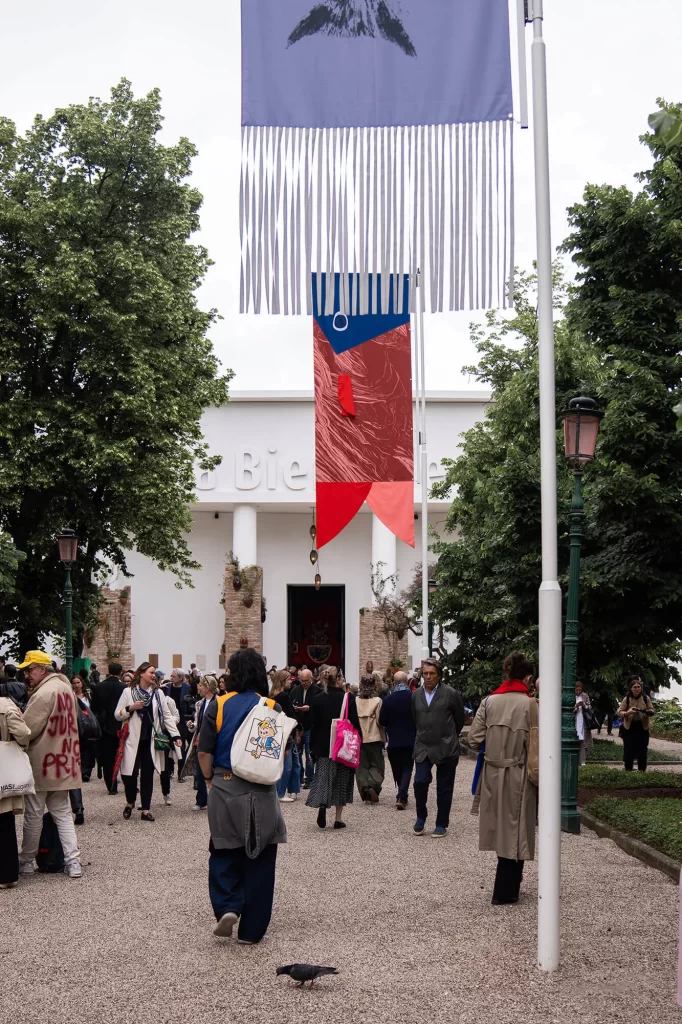
Author: Elias Joaquim
For a long time, talking about contemporary art was, at its core, talking about a relatively stable axis: The great European centers and the United States as the focal point of the art world, from which trends, legitimacy, and even value emanated. This model has not entirely disappeared today, but it has become obsolete and perhaps insufficient to explain the present, or as Camões would say: “times change, desires change.”
Today, global art organizes itself less as a single center and more as a network. A deliberate constellation of voices, distributed across diverse geographies, where cities and contexts once considered peripheral have begun to play an active and increasingly central role in artistic production and circulation.
But this transformation inevitably raises an essential question:
If the art world has decentralized, which center continues to define what counts as art and global trend?
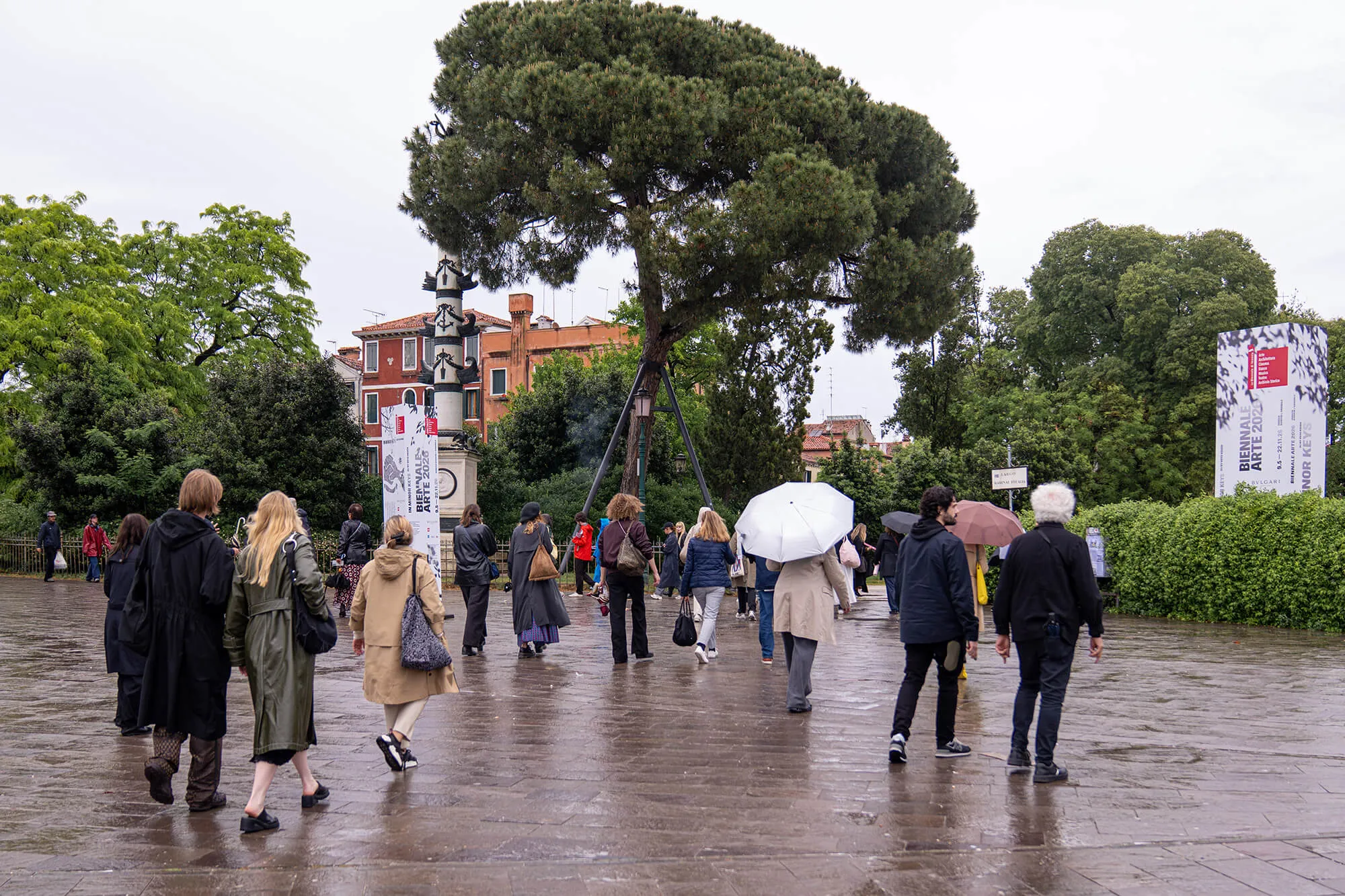
Displacement and Permanence
The emergence of new poles such as Lagos [Nigeria] in Africa or São Paulo [Brazil] in South America, as well as Dubai, cannot be ignored. In these contexts, artistic production grows with force, fueled by their own local dynamics, political tensions, and new ways of imagining identity, the territory that surrounds them, their bodies, and the embrace they extend toward the future.
Here, contrary to what one might think, art does not arise as a mere extension of other agendas or global trends, but as a cultural vanguard, frequently more experimental, more rooted, and at times more urgent than in the traditional centers.
However, there is an important nuance to bear in mind:
production, however impressive, is not yet the same as legitimation.
Despite the vitality of these contexts, symbolic validation continues, to a large extent, to pass through established institutional circuits: museums, fairs, and above all, major international exhibitions such as the one in Venice. And it is at this point that the Venice Biennale becomes unavoidable.
Venice: Mirror, Mirror on the Wall
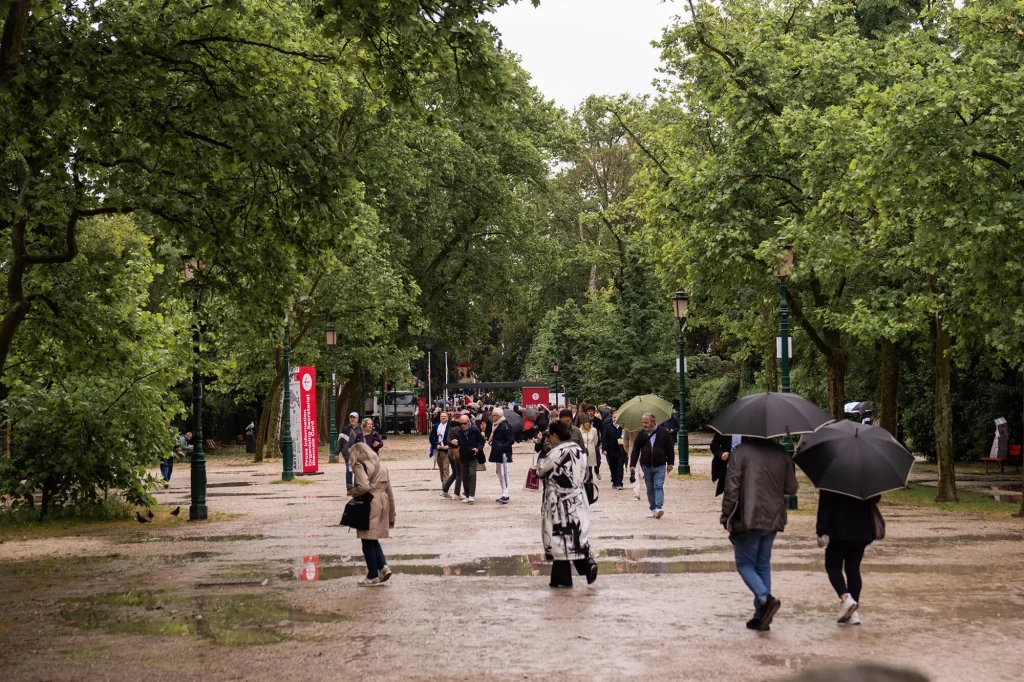
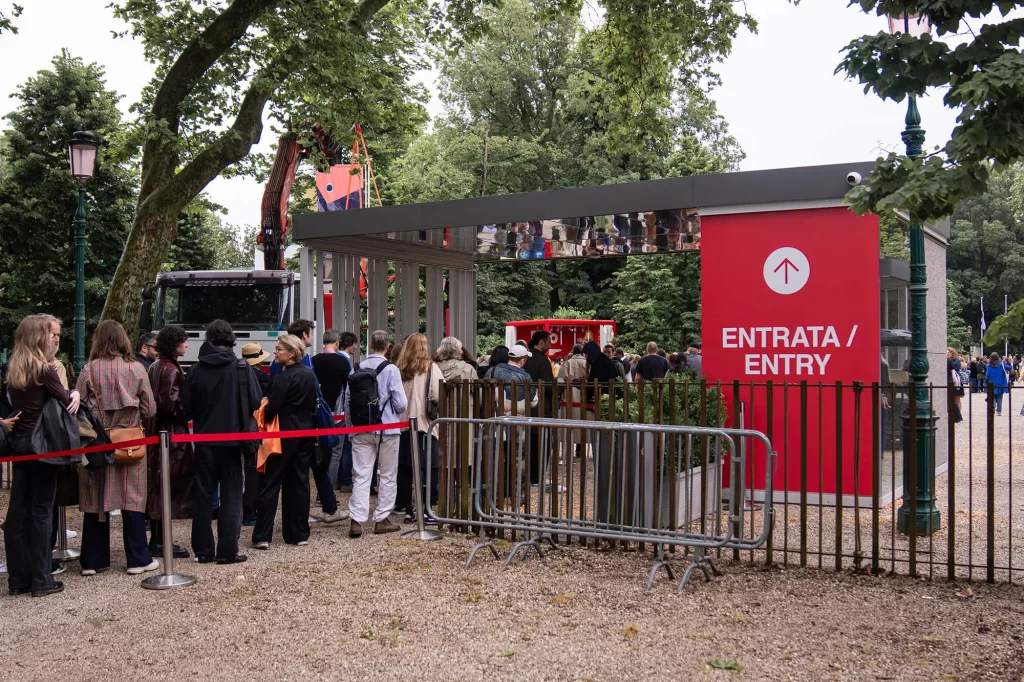
Beautiful city, beautiful people. Venice seems entirely suspended between water and stone, taken over by a continuous movement of people speaking different languages, different accents, different gazes. With improvised maps in hand, forming orderly queues for everything and anything. Immense pavilions, immense churches, palaces and spaces transformed into exhibitions. It is a vast scene, seen up close or from afar, almost excessive. At every corner, a work; at every canal, a displacement. There is a good and constant sense of global simultaneity, as if suddenly the entire world had been compressed into an archipelago of art and circulation, where everything happens at the same time and in many places at once.
Frequently presented as a global space par excellence, the Biennale functions simultaneously as an opening and a filter. On one hand, it welcomes artists from multiple geographies; on the other, it remains one of the primary mechanisms of international legitimation.
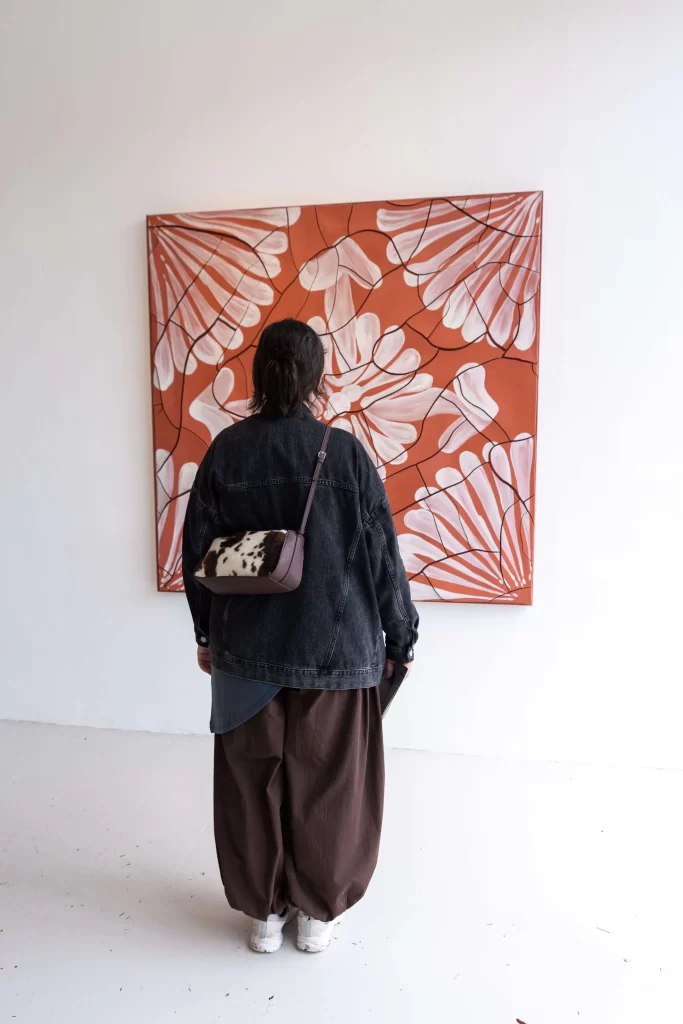
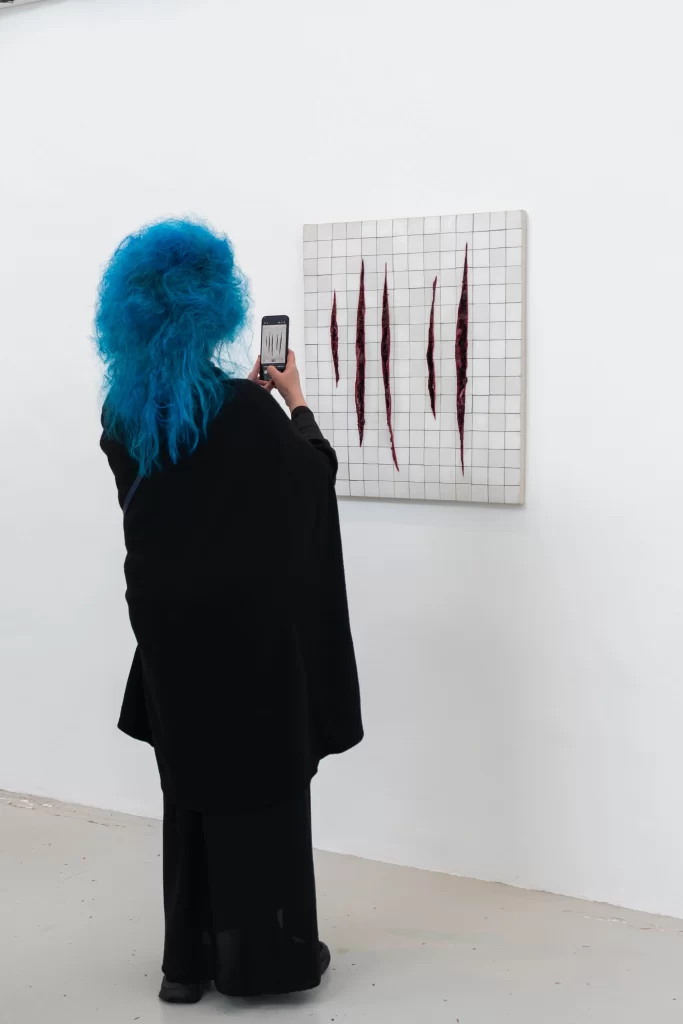
Its structure, with enormous reach and influence, reminds us that, despite the global rhetoric, art continues to engage with forms inherited from modernity. And it is precisely on that terrain that some of the most interesting tensions of the present arise. The wars of the world in dialogue or confrontation, if you will, with the quieter tones of Koyo, the intimate, the sensorial, the subtle. The edition conceived by Koyo Kouoh proposes a relevant inflection.
By favoring a more sensitive, slowed-down, and relational approach, the curator suggests a reading of contemporary art that moves away from excess, from vices, from the easy, and from spectacularization.
Her project can be understood as an effort to redefine Modernism “under a new hemispheric perspective.”
Episodes like this remind us that Curating often wears a life jacket with two panels: mediation and translation.
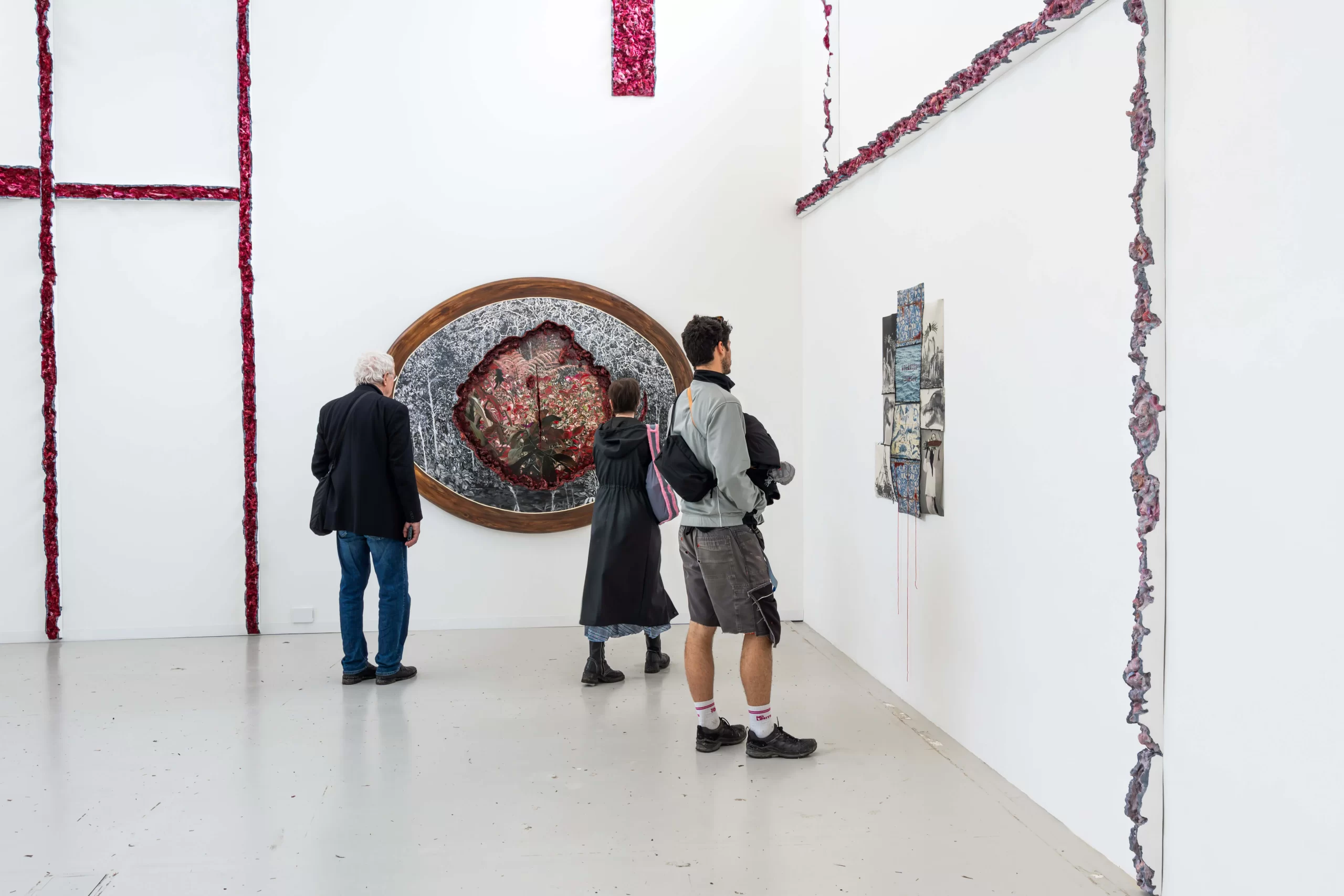
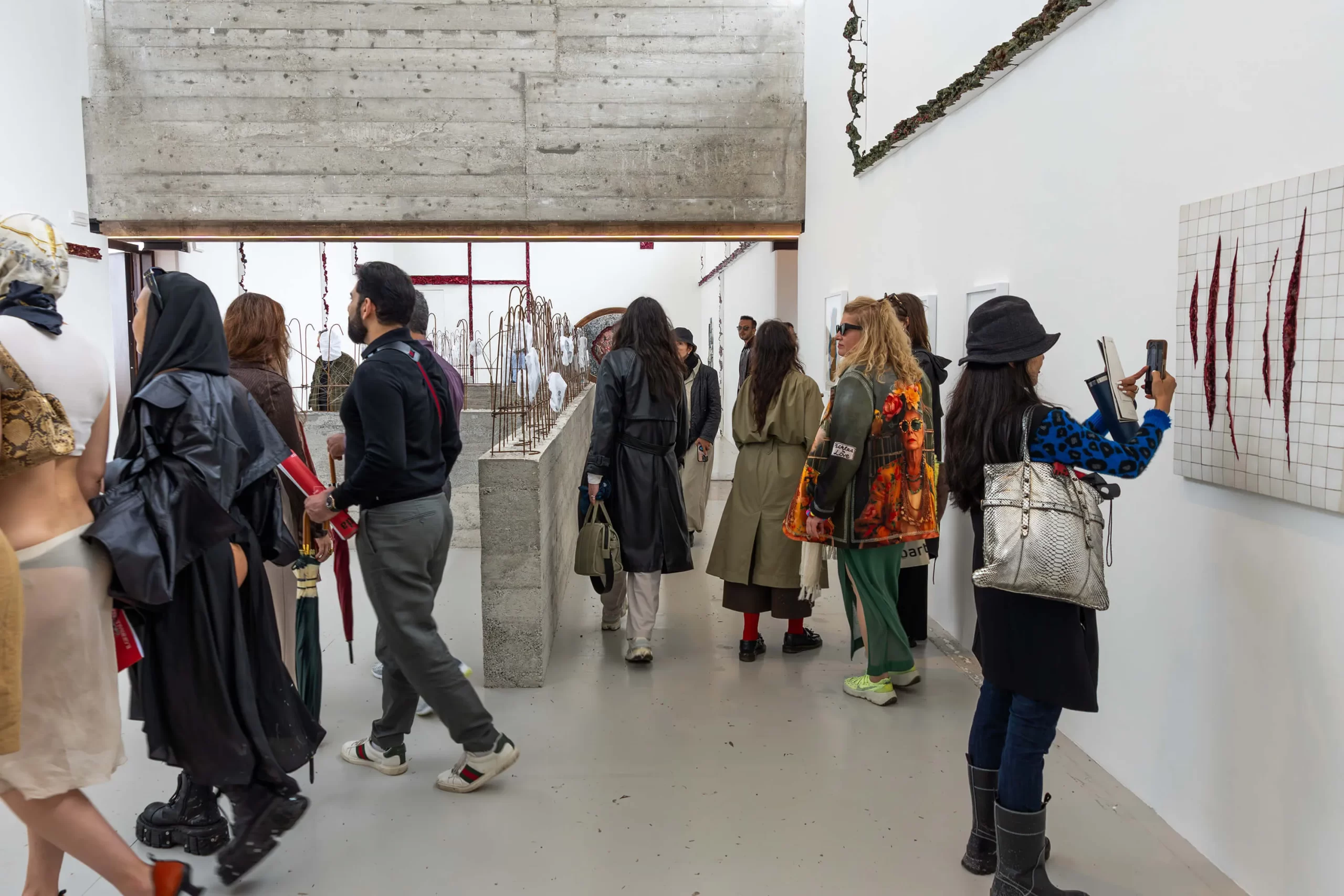
Curation assumes a role grounded not merely in the selection of works and organization of artists, but above all in the construction of meaning, connecting local contexts to global circuits, transforming production into visibility, and visibility into recognition. Initiatives such as WAAU (World African Artists United) illustrate this movement well. Operating between artists, institutions, and markets, this type of platform acts as a mediator, allowing artistic practices situated in specific contexts to enter into dialogue with the international system.
Does Expansion Have Limits?
Despite everything, speaking of an absolute decentralization would still be premature. What is observed can be understood not as a replacement of one center by another, but as an expansion of the system’s latitudes. New contexts emerge, new voices gain space, new desires are born from Camões’s mouth, but the structures of validation remain, to a large extent, concentrated.
This scenario generates tension, but a productive tension, sometimes revealing signs of global exhaustion with a system that continuously expands, incorporating new geographies, discourses, and bodies, without necessarily transforming its foundations. Perhaps the most interesting question today is not to identify new centers, but to understand how narratives are being reconfigured.
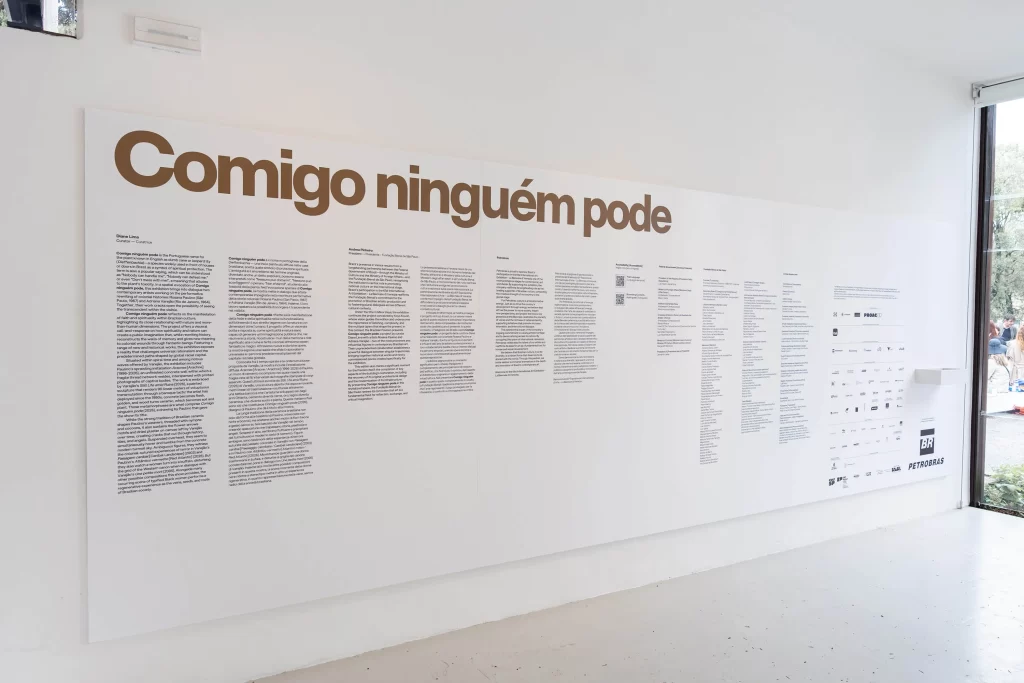
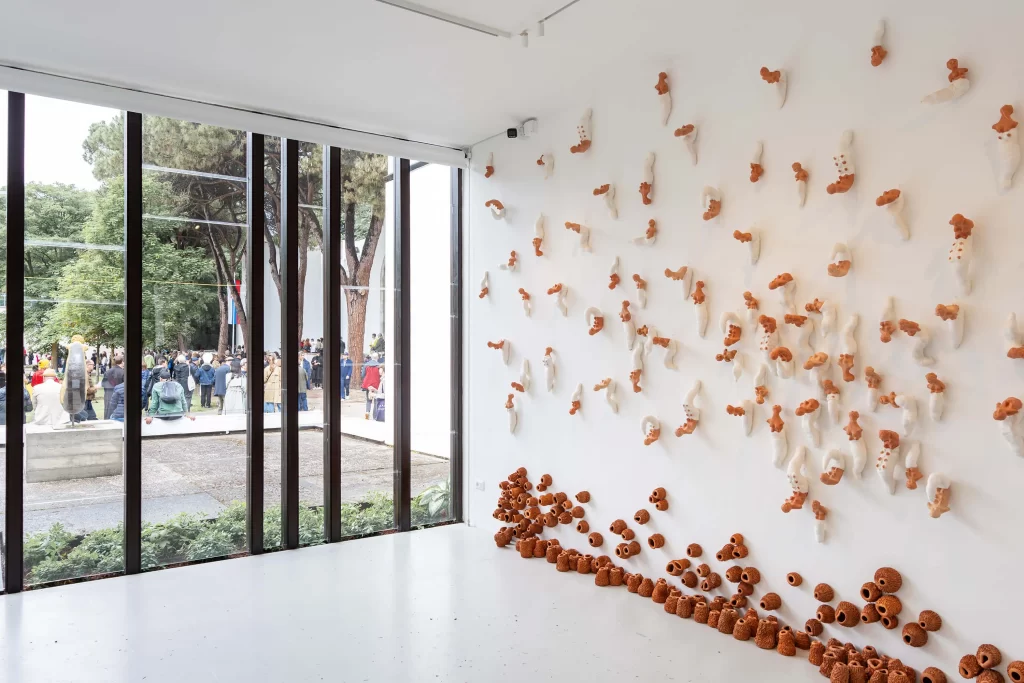
We always want to tell and live the history of art as we tell and live the history of humankind and the history of their nations: linear, hierarchical, heroic, centered on few places and few mixtures. That is not the truth. The present challenges this logic, not through total rupture, but through a multiplication of perspectives.
Contemporary art today has no single center, no single tone, no single thread that stitches it together. It has multiple points of intensity, multiple regimes of visibility, multiple ways of existing and being recognized.
And perhaps it is precisely there, in that imperfect, at times contradictory coexistence, that its current strength and its new center reside.
Images: Celestino Bastos and Eduardo Lima.
Autor: Elias Joaquim
Durante muito tempo, falar de arte contemporânea foi, no fundo, falar de um eixo relativamente estável. Os grandes centros europeus e Estados Unidos como ponto focal da arte mundial, de onde emanavam tendências, legitimidade e até valor. Esse modelo, atualmente, não desapareceu por completo, mas tornou-se obsoleto e quiçá insuficiente para explicar o presente, ou como diria Camões: “mudam-se os tempos, mudam-se as vontades”.
Hoje, a arte global organiza-se menos como um centro único e mais como uma rede. Uma constelação de vozes intencional, distribuída por geografias diversas, onde cidades e contextos antes considerados periféricos passaram a desempenhar um papel ativo e cada vez mais central na produção e circulação artística.
Mas esta transformação levanta, inevitavelmente, uma questão essencial:
Se o mundo artístico se descentralizou, qual é o centro que continua a definir o que conta como arte e tendência global?
Deslocamento e Permanência
A emergência de novos polos como Lagos em África ou São Paulo na América do Sul, passando também por Dubai, não pode ser ignorada. Nestes contextos, a produção artística cresce com força, alimentada por dinâmicas locais próprias, por tensões políticas e novas formas de imaginar identidade, o território que os circunda, os seus corpos e o abraço que dão ao futuro.
Aqui, ao contrário do que se poderia pensar, a arte não surge como mera extensão de outras vontades ou de tendências globais, mas como vanguarda cultural, frequentemente mais experimental, mais enraizada e, por vezes, mais urgente do que nos centros tradicionais.
No entanto, há uma nuance importante a ter em conta:
produção, ainda que imponente, ainda não é o mesmo que legitimação.
Apesar de imponente e da vitalidade destes contextos, a validação simbólica continua, em grande medida, a passar por circuitos institucionais consolidados: museus, feiras e, sobretudo, grandes exposições internacionais como a de Veneza, e é neste ponto que a Bienal de Veneza se torna incontornável.
Veneza: espelho-espelho-meu
Cidade linda, pessoas lindas. Veneza inteira parece suspensa entre água e pedra, tomada por um movimento contínuo de pessoas que falam línguas diferentes, sotaques diferentes, olhares diferentes. Com mapas improvisados nas mãos, a formarem filas bem-dispostas para tudo e alguma coisa. Imensos pavilhões, imensas igrejas, palácios e espaços que se transformam em exposições. É um cenário vasto visto de perto ou de longe, quase excessivo. Em cada esquina, uma obra; em cada canal, uma deslocação. Há uma sensação boa e permanente de simultaneidade global, como se de repente o mundo inteiro tivesse sido comprimido num arquipélago de arte e circulação, onde tudo acontece ao mesmo tempo e em muitos lugares ao mesmo tempo.
Frequentemente apresentada como espaço global por excelência, a Bienal funciona simultaneamente como abertura e filtro. Por um lado, acolhe artistas de múltiplas geografias; por outro, mantém-se como um dos principais mecanismos de legitimação internacional.
A sua estrutura, com pés e braços enormes, recorda-nos que, apesar da retórica global, a arte continua a dialogar com formas herdadas da modernidade. E é precisamente nesse terreno que surgem algumas das tensões mais interessantes do presente. As guerras pelo mundo em diálogo ou confronto, se quisermos, com os tons menores de Koyo, o íntimo, o sensorial, o subtil. A edição concebida por Koyo Kouoh propõe uma inflexão relevante.
Ao privilegiar uma abordagem mais sensível, desacelerada e relacional, a curadora sugere uma leitura da arte contemporânea que se afasta do excesso, dos vícios, do fácil, e da espetacularização.
O seu projeto pode ser entendido como um esforço daquilo que seria o redefinir o Modernismo “sob uma nova perspectiva hemisférica”.
Episódios como este lembram-nos que a Curadoria veste, muitas vezes, um colete salva-vidas com duas abas: mediação e tradução.
A curadoria assume um papel não apenas embasado na seleção de obras e organização de artistas, mas sobretudo na construção de sentidos, ligando contextos locais a circuitos globais, transformando produção em visibilidade, e visibilidade em reconhecimento. Iniciativas como a WAAU (World African Artists United) ilustram bem este movimento. Operando entre artistas, instituições e mercados, este tipo de plataforma atua como mediador, permitindo que práticas artísticas situadas em contextos específicos entrem em diálogo com o sistema internacional.
A expansão tem limites?
Apesar de tudo, falar de uma certa descentralização absoluta seria ainda precipitado. O que se observa pode ser entendido não como uma substituição de um centro por outro centro, mas como expansão das latitudes do sistema. Novos contextos emergem, novas vozes ganham espaço, novas vontades nascem da boca de Camões, mas as estruturas de validação mantêm-se, em grande medida, concentradas.
Este cenário gera uma tensão, mas gera uma tensão produtiva, revelando por vezes sinais de exaustão global com um sistema que se alarga continuamente, incorporando novas geografias e discursos e corpos, sem necessariamente transformar as suas bases. Talvez a questão mais interessante hoje não seja identificar novos centros, mas compreender como se reconfiguram as narrativas.
Queremos sempre contar e viver a história da arte como contamos e vivemos a história dos homens e a histórias das suas nações: linear, hierárquica, heróica, centrada em poucos lugares e poucas misturas. Não é essa a verdade. O presente desafia essa lógica, não através de uma ruptura total, mas por meio de uma multiplicação de perspectivas.
A arte contemporânea não tem hoje um único centro, nem um único tom nem um único fio que a costure. Tem múltiplos pontos de intensidade, múltiplos regimes de visibilidade, múltiplas formas de existir e de ser reconhecida.
E talvez seja precisamente aí, nessa coexistência imperfeita, por vezes contraditória, que reside a sua força atual e o seu novo centro.
Imagens: Celestino Bastos e Eduardo Lima.