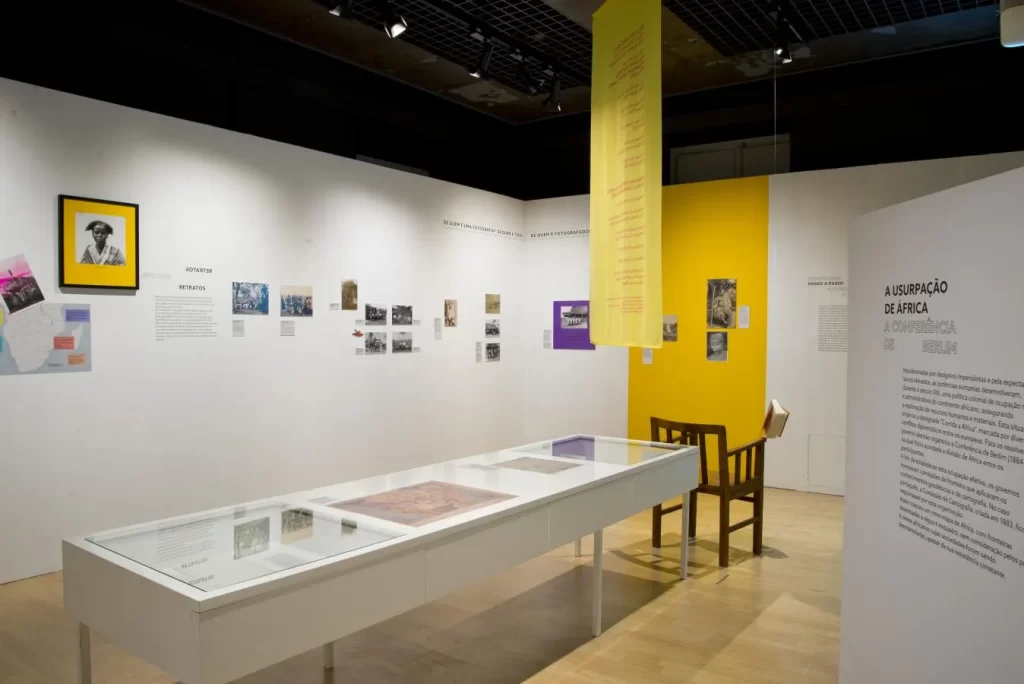
The exhibition “The Photographic Impulse: (Dis)placing the colonial archive” proposes a decolonial reading of the images and scientific objects from the geodesy and anthropology expeditions to the territories colonised by Portugal between the end of the 19th century and the liberation of these territories, consummated with the democratic revolution of 25 April 1974.
The exhibition results from a publicly funded academic project developed by the Instituto de Comunicação da Nova in partnership with the Museum of Natural History and Science of the University of Lisbon. It resulted from a collaborative and intercultural curatorship that brought together a group of researchers, activists and artists from three continents and different social backgrounds.
Given their essential role in constructing collective history(s) and memory(s), we want to contribute to the decolonisation of museums and museum heritage. We propose to discuss the legacies of colonialism – in its Portuguese version – seeking to reveal, through the collections of the scientific geodesy (1890-1932) and physical anthropology (1936-1975) expeditions, the points of view silenced by the official version of history, i.e. that of the colonisers. This version is perpetuated even today in school textbooks. It romanticises colonialism as a meeting of cultures, hiding violence, spoliation and territorial division, slavery, forced labour, and the destruction of the cultures and knowledge of colonised peoples.
The exhibition is divided into two main sections. The first shows the photographs, albums, objects and documents of the demarcation of the borders that constituted the territories of Angola and Mozambique; the second section shows the pictures and scientific materials of the colonial anthropology missions guided by a programme of racist stigmatisation of the colonised populations.
The photographs, films and scientific objects shown here were used by science as technology to visualise, measure, classify and archive its objects of study in a context of exploitation and extractivism of natural and human resources. They represent practices of measuring territories and bodies, an integral part of statistical thinking of control and surveillance. They, therefore, allow multiple readings while raising numerous questions: what is the meaning of these collections in the past, in the present and for the different communities? What effects have these images left ingrained in society? What to show and how to show it? Questions about what is seen and what is not seen, about what we do not know how to see, and what we were not allowed to see.
Under the motto of the messy and the unfinished, we draw attention to these processes of control, which today are even more sophisticated, and to the colonial archive, where we find numerous proofs of oppression and forms of resistance and struggle on the part of the invaded peoples.
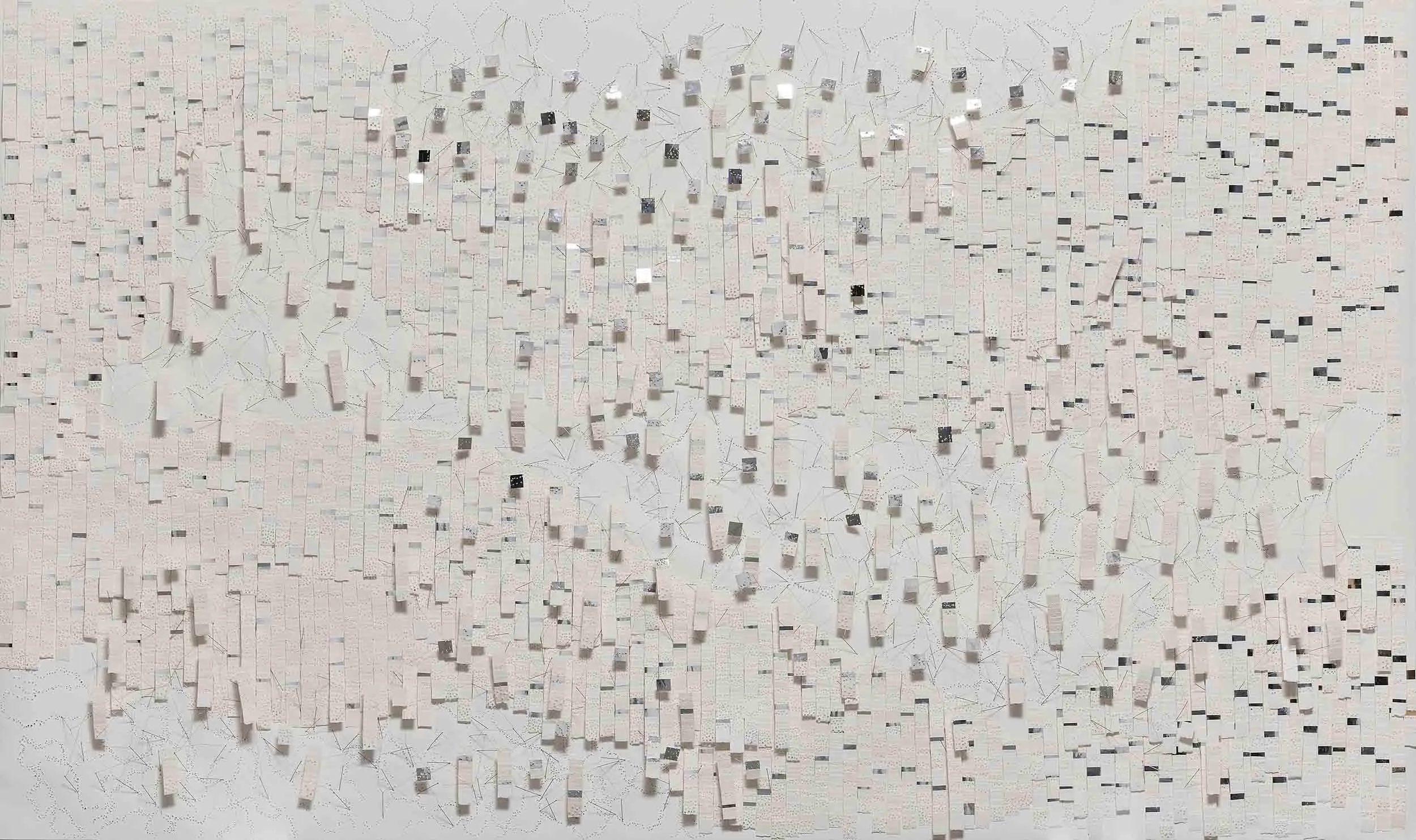
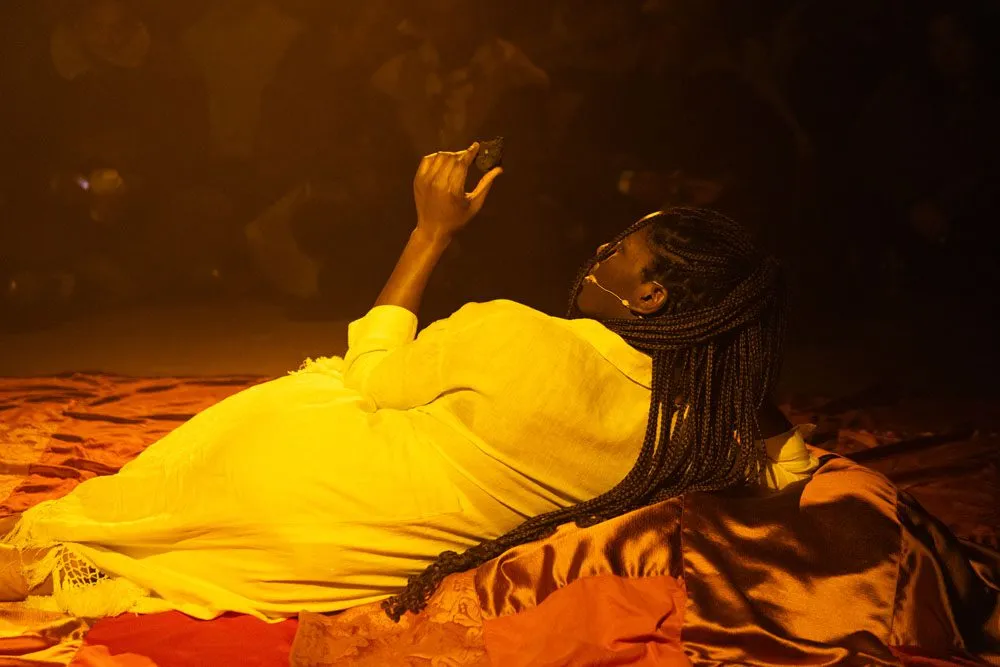
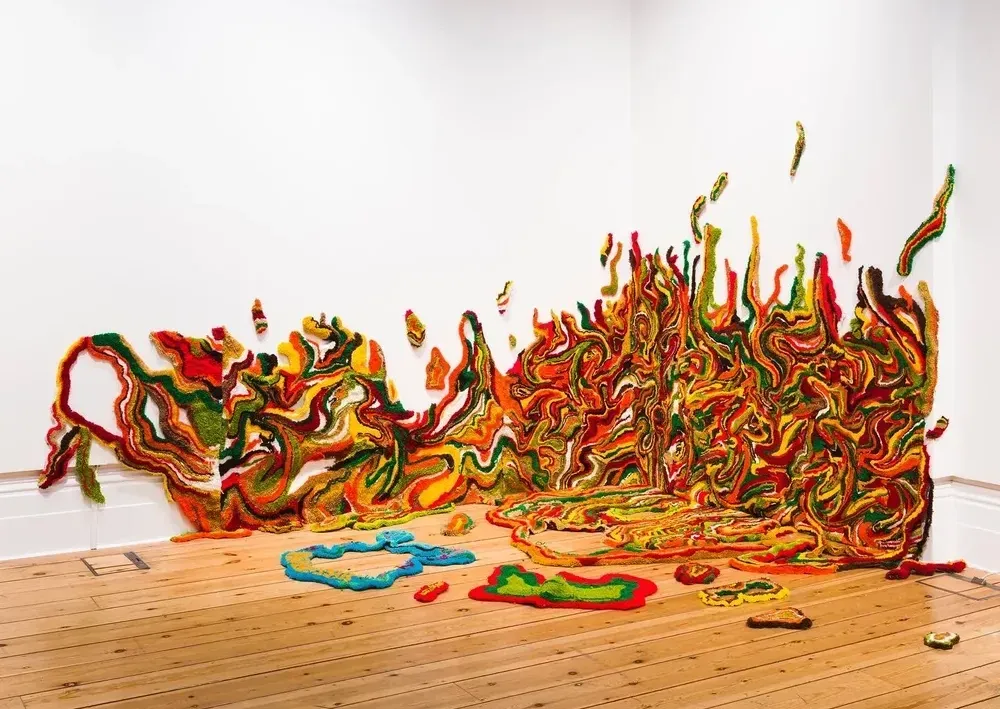
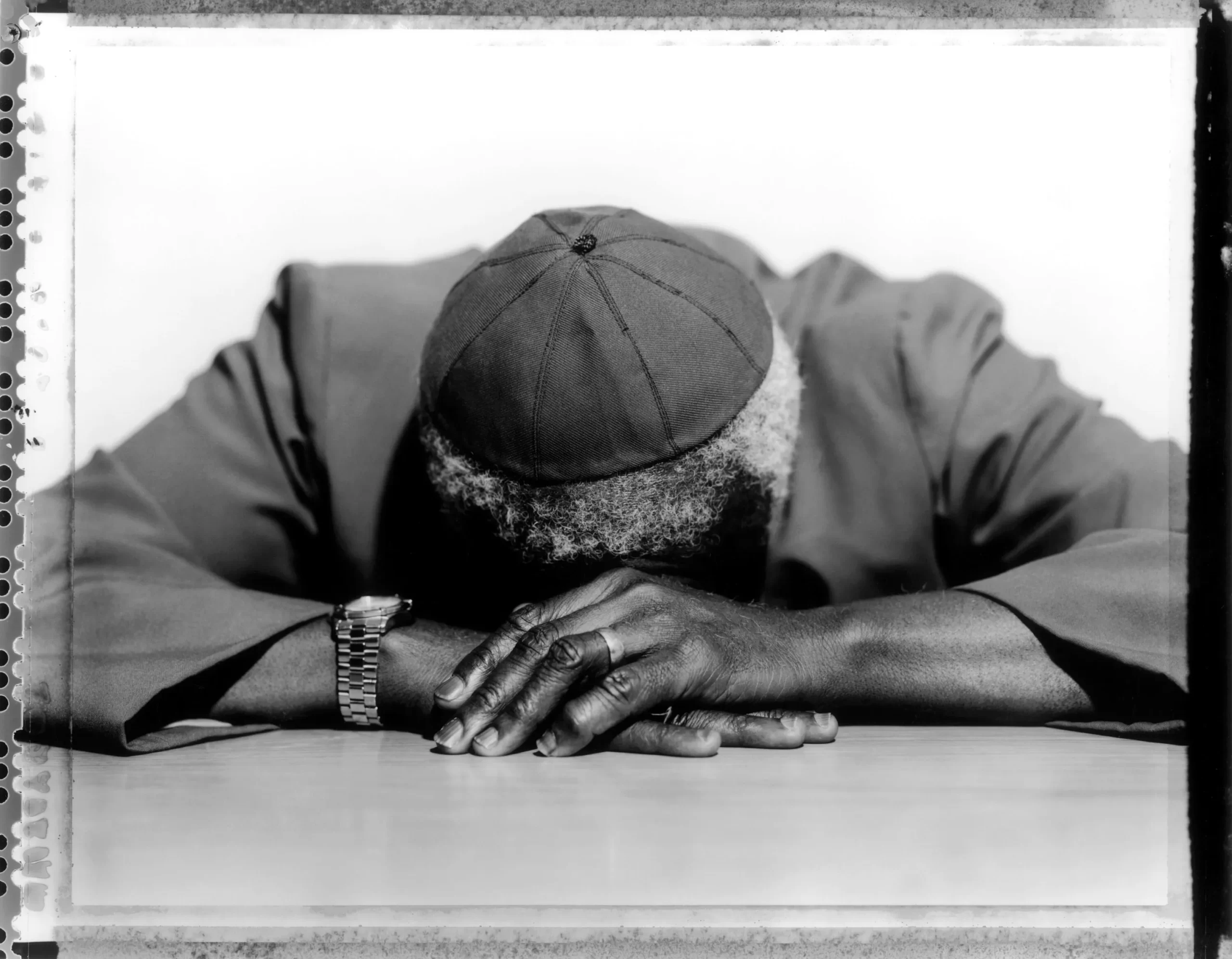
Through artistic works, we seek to restore humanity and propose counter-visualities.
Through critical museography, we question the reality we have been told, the rupture and misalignment of ideas and concepts as a new collective form of dialogue with these historical materials in the 21st century.
We propose this exhibition as a (small) gesture of historical, identity and cultural reparation and a fundamental measure for constructing a more just society in every action of our daily lives.
Participants in this curatorship, in alphabetical order: António Fernando Cascais; Carmen Rosa; Catarina Mateus; Lorena Sancho Querol; José Luís Garcia; Marinho de Pina; Margarida Medeiros; Nkaka (K4PP4) Bunga Sessa; Rita Cássia Silva; Samira Amara, Sara Fonseca da Graça a.k.a. Petra.Preta; Santos Garcia Simões; Soraya Vasconcelos; Teresa Mendes Flores.
And also the invited artists, in alphabetical order: Lorena Travassos, Madalena Miranda and Susana de Sousa Dias.
Source: Museus da Universidade de Lisboa